

























































The pressure of inflation has been unevenly felt across America, with recent data revealing that Phoenix residents are experiencing a different economic tide compared to the national average. According to Arizona's Family, February's annual inflation in Phoenix stood at 2.2%, while the national rate hit 3.2%. Significant divergences in housing prices, often a major driver of regional inflation discrepancies, draw a line between Phoenix and the broader country.
Housing in Phoenix has seen a lesser increase with a +2.8% change compared to the nationwide jump of +4.5%, the surge in population in the U.S. West and South has put a strain on the housing market and in turn has bumped up the cost of living goods overall. When looking at other items such as dairy products and utility gas, Phoenix saw a -5.2% and a whopping +8.8% annual change respectively with the latter starkly contrasting the national decrease of -8.8% an analysis by the Federal Reserve Bank of Chicago pointed out as reported by Stacker.
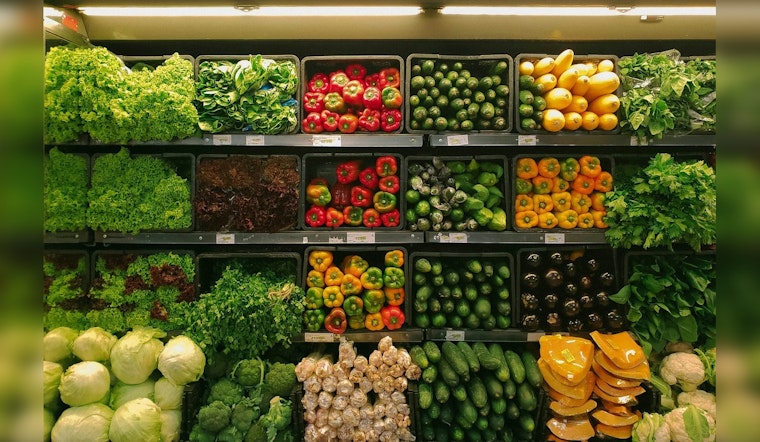
Regional economic factors have also influenced prices of everyday commodities in Phoenix. For instance, Stacker used Bureau of Labor Statistics data to highlight that the cost of meats, poultry, fish, and eggs decreased in Phoenix by 3.1% annually, in contrast with a slight drop of 0.5% nationwide. On the other hand, fruits and vegetables saw a hike of +5.5% in the city, surpassing the modest +0.8% increase seen across the country.
Moreover, fluctuations in utility costs add to the economic dynamic, with electricity costs surging +8.3% annually in the Phoenix area, more than double the national rise of +3.6% while the scenario for gasoline in Phoenix which decreased by -5.4% annually show a different pattern from the national mark of -3.9% which could be due to the availability of local produce and the different energy sources utilized within various metros. These changes reflect just how regional supply chains and the localized approach to energy can have a varying impact on the cost of living in a given area as depicted by the Bureau of Labor Statistics data collected by Arizona's Family.
Both sources, Stacker and Arizona's Family, detailed apparel and nonalcoholic beverages as well, with Phoenix experiencing a 3.1% rise in apparel costs against a stagnant national figure, and a slight deflation in nonalcoholic beverage costs by -0.2% while the rest of the country saw a +2.3% climb.





-4.webp?w=160&h=400&fit=crop&crop=edges)