

























































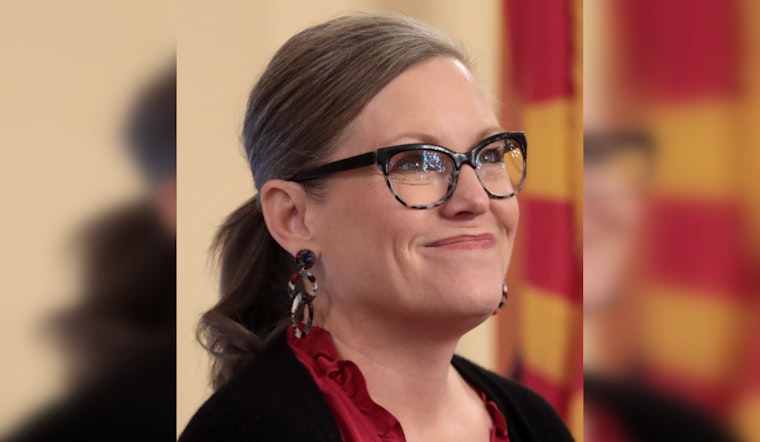
In a flurry of legislative actions, Arizona Governor Katie Hobbs has put her stamp on a spate of bills, wielding her veto power on one particularly contentious piece of legislation. The governor's office announced her decisions, which included a green light on a bill targeting deepfake technology abuses in election communications, among other measures aimed at public and behavioral health improvements.
Among the signed bills, SB1359 stands out, poised to clamp down on the spread of deceptive deepfakes during election cycles. In a press release, Hobbs' office outlined the governor's commitment to "maintaining the integrity of the state's electoral process." Here, the spread of deepfake technology presents a haunting potential to distort political discourse, and Hobbs has taken a definitive stance against its misuse.
Other actions by Hobbs included asterisks beside bills such as SB1335, which streamlines public notice requirements for municipal land sales, and SB1609, which expands access to behavioral health services through AHCCCS – Arizona's Medicaid program. Similarly, SB1670, which seeks to promote public-private partnerships in contract negotiations, was also signed into law.
However, the governor drew a line with SB1336, a bill involving deepfake recordings or images. Hobbs vetoed the measure, which had ambiguous language that sparked concerns over free speech implications. In an eloquent veto letter, Governor Hobbs expressed her reasoning, emphasizing the importance of protecting "civil liberties as vigorously as we protect our elections."
This mixture of legislative movements showcases the intricate balancing act governors must perform – endorsing laws that foster community growth and protection while also safeguarding fundamental rights. Stay tuned as these new laws take effect and shape the landscape of Arizona's governance. As ever, the devil lies in the details, and the impact of these measures will be closely watched by constituents and commentators alike.



