

























































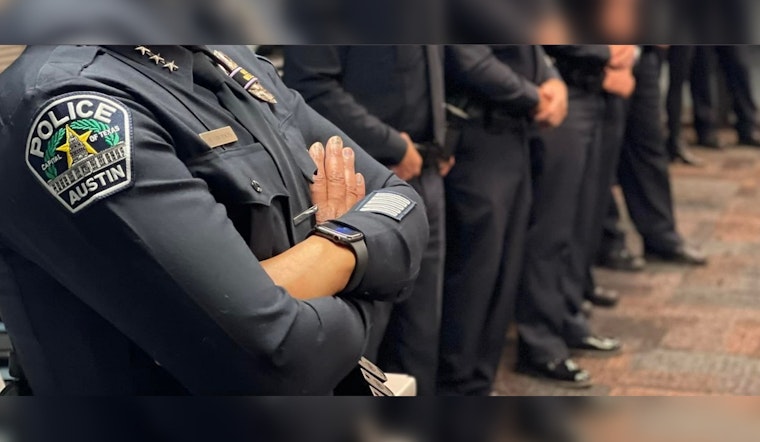
The Austin Police Department is under scrutiny after a report emerged claiming that officers had bypassed a city ban on using facial recognition technology. The City of Austin has purportedly launched an investigation into the allegations that APD officers solicited outside help to conduct facial recognition searches on suspects, despite the prohibition imposed nearly four years ago.
According to documents obtained by The Washington Post, there have been at least 13 instances where officers received results of facial recognition searches from external police departments reported by KXAN. This practice would contravene a resolution adopted by the Austin City Council on June 11, 2020, which barred the use of such technology across all city operations. The city's policy is crystal clear: "Neither facial recognition technology designed or used to identify members of the public, nor information obtained from such facial recognition technology, shall be used by the City for criminal investigation purposes, law enforcement, or surveillance purposes," the resolution states reported by KXAN.
In light of the allegations, the City of Austin has begun its process to "investigate the claims." In a statement, the city remarked, "If the investigation determines that policies were violated, APD will take the necessary steps. We will not be able to comment until after the investigation is complete." However, questions remain regarding whether the APD sought requisite approval or notified the City Manager under the resolution’s guidelines when dealing with information inadvertently obtained.
Adding to the controversy, an opinion piece by Bridget Grumet for the Austin American Statesman decried the alleged informal sidestepping of the ban, emphasizing the ethical implications and potential for misidentification, especially among people of color. Grumet wrote, "Trust is established through transparency," highlighting the need for a full accounting from the APD concerning their use of the technology and what repercussions officers involved will face. Furthermore, she argued that defendants in cases involving facial recognition should be informed if it played a part in their arrest.
The debate surrounding facial recognition technology remains heated, with some citing its potential benefits in solving crimes, while others raise alarms over privacy infringement and inherent biases in the technology. As the Austin case unfolds, it casts a spotlight on the tensions between law enforcement practices and the imperative to uphold civil liberties and strict adherence to legislative decisions meant to regulate police powers.




