

























































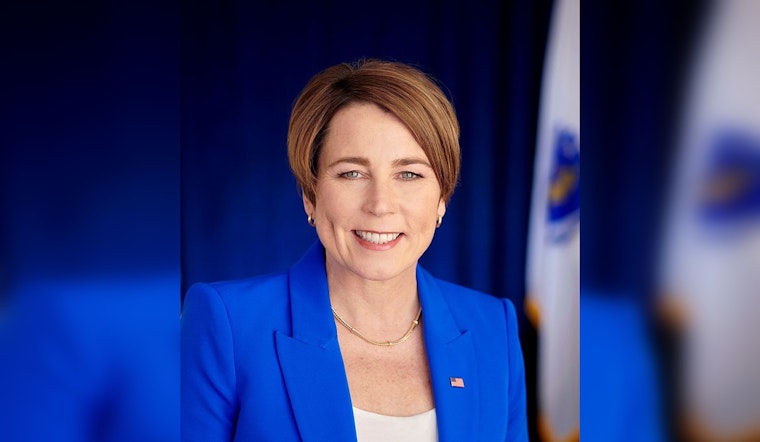
Boston's fight against human trafficking is ramping up, with the Healey-Driscoll Administration shelling out $1 million to five organizations dedicated to squashing this heinous crime. The sizable grants are earmarked for raising public awareness and expanding services for those at risk or affected by trafficking, according to the Department of Public Health press release.
The Massachusetts Department of Public Health, along with the Executive Office of Public Safety and Security, picked the lucky recipients, dishing out $200,000 each. Effective from July 2024 through December 2026, the grants target programs with a history of racial equity and input from trafficking survivors. The big winners include Children’s Advocacy Center of Suffolk County; RFK Community Alliance’s Legacy Mentoring program; Justice Resource Institute’s My Life My Choice program; RIA Inc.; and the Vietnamese American Civic Association, Inc.
Gov. Maura Healey didn’t mince words about the initiative. "Human trafficking has a profound and long-lasting impact on those individuals and communities that are often targeted in these crimes of exploitation," she laid it down. Lieutenant Governor Kim Driscoll, spearheading the Governor’s Council to Address Sexual Assault, Domestic Violence, and Human Trafficking, added, "Whether behind closed doors or in plain sight, human trafficking is pervasive." Their united front signals a serious commitment to tackle the underground epidemic of exploitation that has taken root in the state, as reported by the Massachusetts Department of Public Health.
Targeted community members, bearing the brunt of human trafficking, are now recognized. We're talking about low or no-income individuals; undocumented immigrants; the homeless; folks with disabilities; LGBTQ+ peeps; and those tangled up in the child welfare or juvenile justice systems. Kate Walsh, Secretary of Health and Human Services, didn't shy away from the hard truth, stating, "The stigma faced by victims of trafficking, especially sex trafficking, can play a significant role in whether they seek help and how well they can recover from the trauma they have experienced," according to the Massachusetts Department of Public Health. Recognizing that these survivors need tailored resources and supports that comprehend their unique journeys is a linchpin in this new funding push.
The scope of human trafficking in Massachusetts encompasses but is not limited to construction, food services, gaming, and commercial fishing, especially given the state's proximity to five others and a hop to international borders – a traffic jam for smuggling rings. And while hard numbers on trafficking are squirrelly, at best, with info traditionally cloaked in fear and underreporting, the National Human Trafficking Hotline offers a glimpse into the shadowy scale, logging 339 reports from Massachusetts in 2021, translating to 93 confirmed trafficking cases with 143 victims—72 of those roped into sex trafficking.
Chapter 268 of the Acts of 2022 cracked open the funding channel, setting the precedent for this financial booster shot into anti-trafficking measures. Public Safety Secretary Terrence Reidy weighed in, underscoring the importance of partnerships, vigorously affirming the right to a life free of abuse and full of respect. Meanwhile, Dr. Robbie Goldstein, at the helm of public health, paints a grim portrait of the trafficking scene, calling it a public health crisis of violence and coercion—a call to arms echoed by administration and healthcare alike. By bringing resources and recognition to this plight, Massachusetts might be at the vanguard of turning the tides against this dark tide of exploitation.



