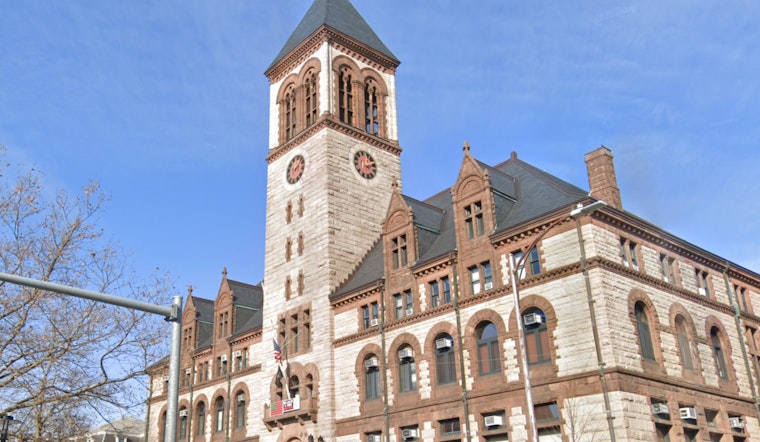
In a daring move, the Cambridge City Council has thrown its support behind a bill that could fundamentally change the financial landscape for large nonprofits such as Harvard University. By endorsing the proposed state legislation, Council members have paved the way for the city to potentially require institutions with property holdings over $15 million to pay 25 percent of their property value in Payments in Lieu of Taxes (PILOT), as reported by The Harvard Crimson.
Currently, these economic powerhouses voluntarily contribute a fraction of what they would otherwise owe in property taxes, with the provision to count "community benefits" for up to half of their PILOT payment. However, this new bill could quickly establish a mandatory payment standard, compelling institutions like Harvard, which boasts more than 16 million square feet of Cambridge real estate, to contribute more to the city's funds.
During a marathon meeting session that stretched from Monday into Tuesday, Councilor Patty M. Nolan '80 emphasized that the target is to "get to a point where those nonprofits that can afford to give more to cities in which they operate in exchange for some of the benefits" and to "increase the contribution to be commensurate with what a community believes is necessary," according to The Harvard Crimson. The sentiments express a council-wide urgency to alleviate the financial burdens of a city grappling with growth and budgetary constraints.
However, Cambridge City Manager Yi-An Huang '05 raised concerns regarding the practical aspects of the bill, particularly the valuation of Harvard's intricate campus, which includes classrooms and administrative buildings. "Valuing for instance, classrooms and classroom lab space that doesn't typically sell or rent doesn’t have a lot of case law," Huang told The Harvard Crimson, highlighting the complexities involved. "This isn’t a reason to support or not support, but I think it's a little hard to evaluate exactly what the implications might be," he added.
Megan Bayer, the Acting City Solicitor, was brought into the conversation to discuss the possible unintended impact on other nonprofits, including large affordable housing developers. Councilor Paul F. Toner voiced his apprehension over ensnaring groups such as Homeowners Rehab Inc. and Just-A-Start in a well-intended, but possibly sweeping, PILOT program overhaul.
On the other side, Harvard is mounting a defense of its financial contributions to Cambridge and Boston. Amy Kamosa, a Harvard spokesperson, in a Monday statement obtained by The Harvard Crimson, contended, "In addition to a long history of making voluntary PILOT payments in both Boston and Cambridge, the University makes other direct contributions through real estate taxes, water and sewer fees, and other fees and permits," and pointed out that Harvard provides numerous beneficial programs and initiatives to both cities.