

























































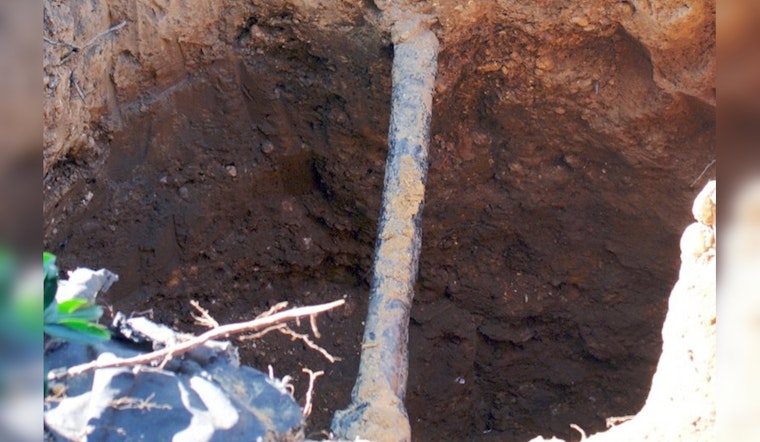
The Windy City is poised to tackle its lead pipe problem head-on with an infusion of federal funds, finally giving Chicago's antiquated water system much-needed relief. Illinois is receiving a hefty $240.9 million boost from President Biden’s Investing in America agenda. This capital injection, part of the Bipartisan Infrastructure Law, is earmarked for replacing lead service lines across the state, with a focus on ensuring safe and clean drinking water, especially in disadvantaged communities that disproportionately feel the impact of lead contamination, according to the U.S. Environmental Protection Agency.
As per a Chicago Tribune article, the urgency of the issue reveals that more than two-thirds of Chicago's children under the age of 6 are at risk of lead-contaminated water exposure. This alarming statistic is a clarion call for an accelerated replacement plan, amid experts stressing the need for greater outreach. Lead exposure, a villain to early development, leaves a permanent mark on the brains of the young, and Chicago, with nearly 400,000 lead pipes, stands as the nation’s leader in this underground menace.
Even with Chicago's best efforts, like the Lead-Safe Chicago project launched by former Mayor Lori Lightfoot, residents still navigate a complex web of red tape and financial burdens when applying for lead line replacements. As Doris Summerville, who discovered a lead service line while preparing to open a daycare, told the Chicago Tribune, ensuring the safety of children is paramount, and initiatives like LeadCare Illinois are vital for providers in the care industry. Summerville's home, now the site of Nana's House, which caters to kids aged 6 weeks to 12 years, exemplifies a success story in the city's struggle against lead.
But there is a shimmer of hope with the EPA's recent funding announcement, which intends to replace up to 1.7 million lead pipes nationally. Illinois Governor JB Pritzker lauded the initiative, emphasizing the state's position in receiving the most significant share of these funds to tackle its lead piping problem. Senator Dick Durbin echoed this sentiment, recognizing the Bipartisan Infrastructure Law as a vital step toward eradicating a widespread public health threat. As the EPA announced, this level of investment is unprecedented and a concrete gesture towards health equity and justice.





