

























































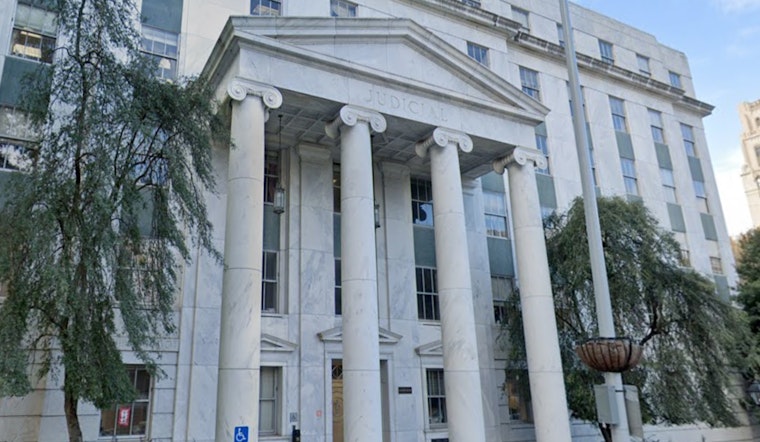
Two Georgia lawmakers are taking their fight against a controversial arrest law to the state's highest court, claiming it stifles free speech and is too vague to enforce fairly. According to WABE, Rep. Nikema Williams and state Rep. Park Cannon, both Democrats, were arrested under the same law during protests at the Georgia Capitol, with charges against them later being dropped, although they argue that the damage was done and their constitutional rights trampled upon.
Williams, at that time a state senator, was arrested back in 2018 during a protest about ballot counting in the aftermath of the closely contested governor's race, which saw Gov. Brian Kemp triumph over Stacey Abrams, whereas Cannon faced arrest in 2021 after she knocked on the governor's door while a voting bill was signed, with their lawyers now insisting that the law in question lacks sufficient criteria for what constitutes intent to disrupt or actual disruption, she told the Recorder. "The Supreme Court said a criminal statute needs to contain intent to disrupt and actual disruption," and "and the current statute does not have that," as per the WABE report.
The protests took place in areas traditionally recognized for public discourse yet the law used in arresting the lawmakers could potentially criminalize peaceful demonstrations at Liberty Plaza, a well-known protest site, if deemed disruptive by law enforcement, leading to concerns over unjust silencing of citizens' voices, so as Weber, their attorney, contends, people have been handed copies of the statute to silence them for merely displaying signs, wearing buttons, or donning T-shirts.
On the flip side, Principal Deputy Solicitor General Ross Bergethon defended the law, stating the Capitol is a workplace, not a park, citing "The disruption statute simply reflects the nature of the building," he said, "It's not about limiting anyone's right to expression, people are still free to express any viewpoint they want, no matter how unpopular," it's about ensuring those inside can conduct work or exchange ideas without undue interference, Cannon's legal team, however, countered this view, arguing her act of knocking was protected expressive conduct under the state Constitution, as reported by WABE.
The Georgia Supreme Court is now poised to issue a ruling on this contentious legal battle sometime this year, which could potentially reshape the boundaries of political expression and law enforcement power within the state, as interested parties on both sides await a decision that may clarify or further confound the issue of protest rights in the context of lawful assembly and work environments.





