

























































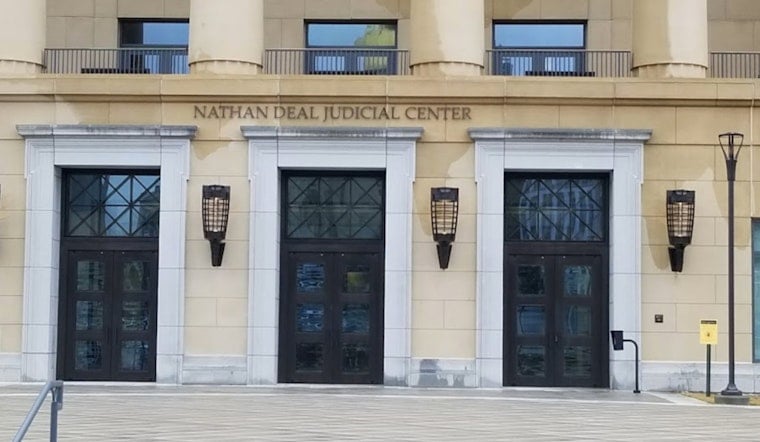
The quest for autonomy in electoral map-making has hit a judicial snag in Georgia, as the state's highest court refused to weigh in on whether counties hold the power to draw their own districts. Thursday's ruling by the Georgia Supreme Court has left the Democrats of Cobb County temporarily in the driver's seat, while denying a lawsuit from residents Catherine and David Floam who sought clarity on the issue, according to WABE.
Justice Nels Peterson penned the unanimous decision that effectively sidelined the Floams' case, noting, "To be clear, the fact that there are two competing maps does create significant uncertainty for many." Still, the court decided that the plaintiffs' future conduct was not impacted, concluding, "They have not established that they are insecure about some future action they plan to take." As a result, the state's electoral map skirmish remains unresolved, with the existing county commissioners' map still in play for the upcoming May 21 primaries, as per WABE.
This legal tussle traces back to a GOP-led initiative, forcing through voting districts in several counties, a move deemed by Democrats as a breach of local governance. Cobb County, defying the state legislature's redrawn map, invoked its home rule rights to create a different districting plan, prompting a challenge that led to Thursday's decision.
The conflict spilled over into the election process with confusion surrounding which map was operative. Legal counsel Ray Smith, representing the Floams, voiced his disappointment, "I think it's going to lead to more chaos," he said in a statement obtained by WABE. Smith anticipates that validated plaintiffs will eventually take the baton, potentially invalidating the county's unilateral move.
Justice Charlie Bethel, concurring with the judgment, appeared to caution the Cobb County Commission against resting on any laurels, highlighting the precariousness of the situation. "A delayed loss by Cobb could give rise to calamitous consequences inflicting serious expense and practical hardship on its citizens," Bethel wrote, advising urgent resolution-seeking. The commission, however, through its spokesperson Ross Cavitt, has signaled no intention to pursue further legal action, with the county attorney's office citing an absence of a proper avenue to file, according to WABE.





