

























































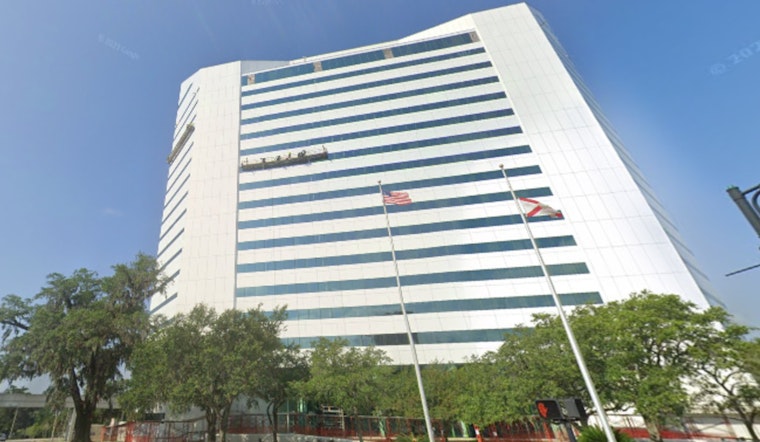
The Florida State Board of Education's recent meeting in Miami faced staunch criticism from teachers' unions and parents, casting a shadow over the state’s claimed top spot in nation-wide education outcomes. The Board of Education, which convened Wednesday at Miami Dade College's Wolfson Campus for its first meeting in South Florida in years, landed at the center of multiple controversies, from teacher pay to social studies standards.
In a confrontation that laid bare the tensions between educators and state officials, the Florida Education Association, alongside United Teachers of Miami-Dade, lambasted the board for what they view as a lack of investment in public education. Representatives from the unions pointed to a study that ranked Florida as the lowest in the nation for teacher pay, according to Local10.com. They pressed Governor Ron DeSantis to pour funds from the state's surplus into boosting teacher salaries and averting proposed school shutdowns in Broward County.
Despite the backlash, Florida Education Commissioner Manny Diaz Jr. defended the status quo, highlighting Florida's placement as first in overall education outcomes by U.S. News and praising Miami-Dade County Public Schools for offering diverse educational programs. On the subject of school closures, Diaz stated, "In some districts, there have been reports of school closures. That’s part of the process," as reported by Local10.com.
However, critics remain unconvinced about the board's priorities, accusing it of engaging in culturally divisive politics. Lisette Fernandez, a parent of two Miami-Dade County Public Schools students, criticized the board for steering away from educational essentials. Meanwhile, the board’s approval to amend social studies standards and introduce “ancient Jewish” civilization as a foundation for teaching the origins of the rule of law raised concerns about encroaching on the constitutional principle of separation of church and state. Crystal Etienne, a civics teacher, expressed confusion over the curriculum changes, telling NBC Miami, "Last year I taught that the rule of law came from the Magna Carta and historical documents, this year, I’m teaching that the rule of law, self-responsibility and things like that come from Judeo-Christian values."
The board also faced rebuke for a policy amendment that could lead to an increase in book removals from schools, an action that Katie Blankenship of PEN America claims undermines the breadth of learning materials available to students. Amidst the heated dialogues and clashes of opinion, Diaz declined to respond to media inquiries on these pressing issues. As the echoes from Wednesday's meeting continue to stir debate, the fate of Florida’s educational trajectory remains the subject of intense scrutiny.





