

























































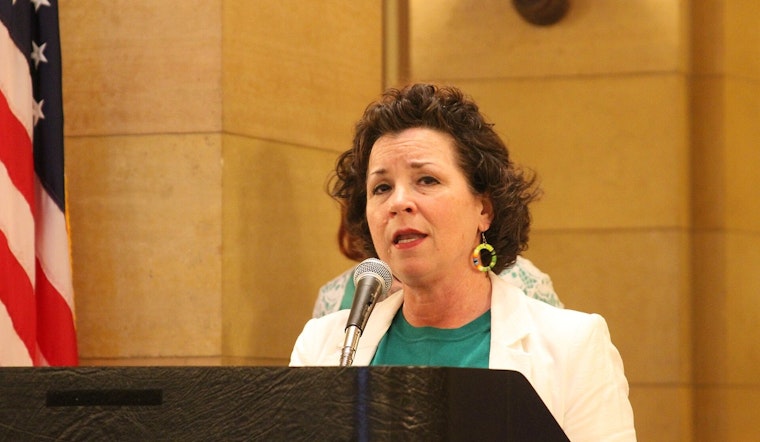
Minnesota's public schools are set to receive a substantial funding boost following the Senate's narrow approval of the 2024 education finance bill, driven by Sen. Mary Kunesh. The legislation, voted through on a tight 34-33 margin, received Kunesh's enthusiastic backing, with the Senator touting it as a critical stride toward educational equity and comprehensive support for student needs.
According to a statement obtained by the Senate DFL, Kunesh said, "I am thrilled to be the champion of this key legislation." She detailed the collective efforts involving students and educators in shaping a bill that takes on, both, schools’ funding struggles and the advancement of teacher development. With its passage, the bill is now headed to Gov. Walz's desk to sign into law.
The finance bill earmarked $37.23 million for improvements in literacy instruction through the Read Act and set aside $35 million in direct aid to school districts for the same cause. A $4.6 million Student Attendance Pilot Program is being introduced to mitigate chronic absenteeism with innovative, preventive approaches, leveraging the resources already in place within schools.
Notably, the bill plans to expand Minnesota's voluntary prekindergarten offerings by 5,200 seats in 2025, which would make 12,360 seats available statewide, an increase recognized as a major step towards broadening early childhood education access. It also includes provisions such as $6.5 million intended to help student teachers by providing stipends, which can help alleviate some of the financial pressures associated with teacher training programs. Similar support cascades to the teachers of color, with allotted funds for mentoring and retention initiatives, underscoring the state's commitment to fostering diversity among educators.
Additionally, investments in scholarship funds for aspiring teachers of color and an upgrade to the Professional Educator Licensing and Standards Board's online system reinforce Minnesota's resolution to enhance the educational infrastructure from the ground up. As the bill prepares for the governor's approval, Minnesota's educators and students await to see the impact of these new investments in the upcoming academic terms.





