

























































After two decades of environmental graft, Plymouth's very own Bass and Pomerleau lakes have officially shed their 'impaired' status, as announced by the powers that be over at the Minnesota Pollution Control Agency (MPCA), according to a city statement. It's a victory lap for clean water enthusiasts and residents alike, with the murky past of these once-troubled waters now giving way to a future that's looking quite literally, clearer.
Cue in the U.S. Environmental Protection Agency which last month wiped the slate clean for these aquatic hubs, and if you're wondering why it's about time, here's the scoop; back in 2002, Bass, Pomerleau, and Schmidt lakes were all dubbed impaired thanks to a pesky overload of nutrients stirring up algae blooms, those were the days when clarity was merely a pipe dream and recreational splashing a murky affair, Schmidt Lake got off the hook in 2016, and now it's Bass and Pomerleau's turn to bask in their newfound purity. The city's sweep of this aquatic clean-up operation has been nothing short of a Herculean task, which included stormwater treatment gizmos to sieve out pollutants, regular street cleaning, and injecting a little horticultural magic along shorelines with an ensemble of native plants meant to keep erosion at bay.
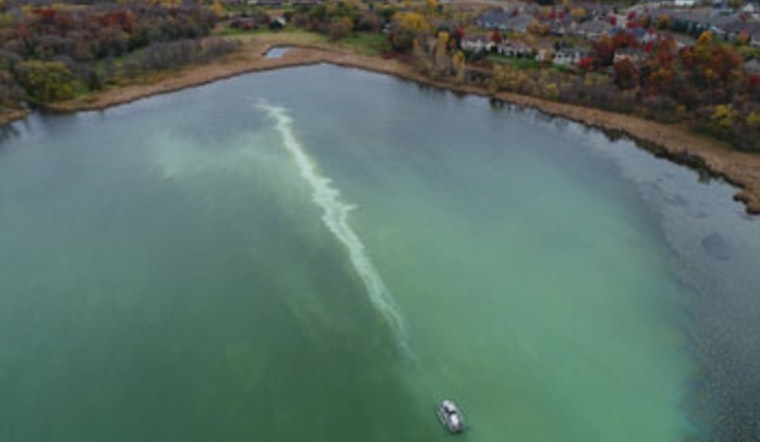
But wait, there's more. Those Plymouth roadways adjacent to the lakes saw some surgical interventions too, with rain gardens and, let's say, epic stormwater management practices built right into the fray as the city wasn't shy to get developers in on the act either, with properties around Pomerleau Lake being required to include stormwater management in their build plans, making the downstream scene a whole lot cleaner, and likely leaving a few fish thanking their lucky stars. And for those on algae watch the local hero that is Plymouth partnered with the Shingle Creek Watershed Management Commission to drop an alum (that's aluminum sulfate for the uninitiated) treatment bomb on the lakes which binds to phosphorus and plummets to the lakebed to put a lid on future troubles. According to plymouthmn.gov/environment, "the treatment helps reduce concentrations of nutrients, mitigates algae, increases water clarity, and improves fishing and recreational opportunities for lake users."
So if you're still following this watery tale, what's the big takeaway? Plymouth's lakes are on the upswing, the environment's a winner, and residents can expect to reel in some hefty benefits, or at least a sunnier lake day minus the pea soup vibes. Of course, for those about to pack their fishing rods and head to the Land of 10,000 Lakes, do take a moment to applaud the City of Plymouth and the Shingle Creek Watershed Management Commission, because it turns out, with a sprinkle of science and a dash of dedication, you can indeed turn the tide on pollution.





