

























































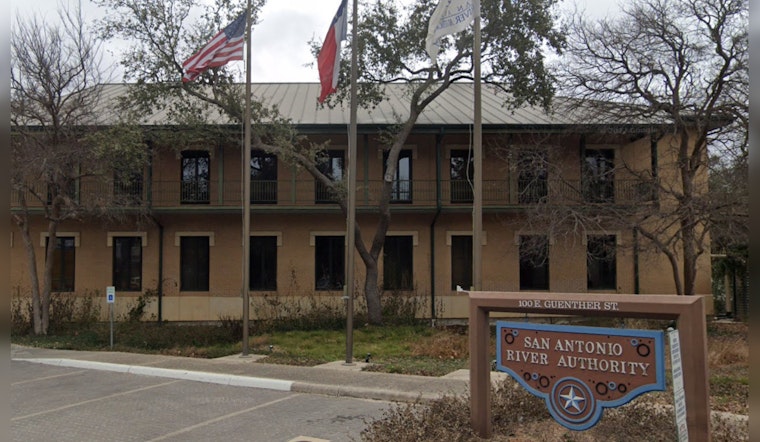
In a groundbreaking move for Texas, the San Antonio River Authority has begun reintroducing native freshwater mussels into the San Antonio River, a first of its kind effort in the state that could have major environmental benefits. Released between Interstate 10 and just past Loop 410 on the South Side, these mussels haven't been seen in local waters for decades and are expected to improve biodiversity and filter harmful bacteria.
About 5,000 yellow sandshell mussels, which can grow to over five inches in length and filter an impressive 10 gallons of water each day, have been introduced into the river so far, with plans to release more species in the future. Despite anticipated losses, their introduction signals a refreshed commitment to an aquatic environment striving for health. "We wouldn't be here today if the water quality wasn't already good," said Shaun Donovan, Environmental Sciences Manager at SARA, according to an interview with KSAT.
These mussels differ starkly from their invasive zebra mussel cousins, known for wreaking havoc in Texas' waters. Instead, these native mussels are set to play a fundamental role in maintaining the ecological balance, enhancing water clarity, and supporting a healthier aquatic ecosystem, as per a news release from Amy Lueders, Southwest regional director of the U.S. Fish and Wildlife Service, as captured by KSAT.
In an effort to track progress, about 10% of the released mussels are fitted with PIT tags, allowing for later recollection and measurements of their growth and survivability. "While we're Year 3 or 4 in this project, this is our first year having a successful cohort," Donovan stated, highlighting the improvements in reintroduction techniques over time, as KSAT revealed.
The mussels' comeback is part of a more extensive restoration effort, following a $384 million refresh of the Mission Reach area, which included repairing erosion and restoring habitats along the river's banks. The project, which has cost SARA and the U.S. Fish and Wildlife Service over $520,000 since 2019, has been a crucial step in preparing the river for these native inhabitants. "It's a community accomplishment," Donovan optimistically told Express-News, reflecting on the improved conditions that have made this reintroduction possible.





