

























































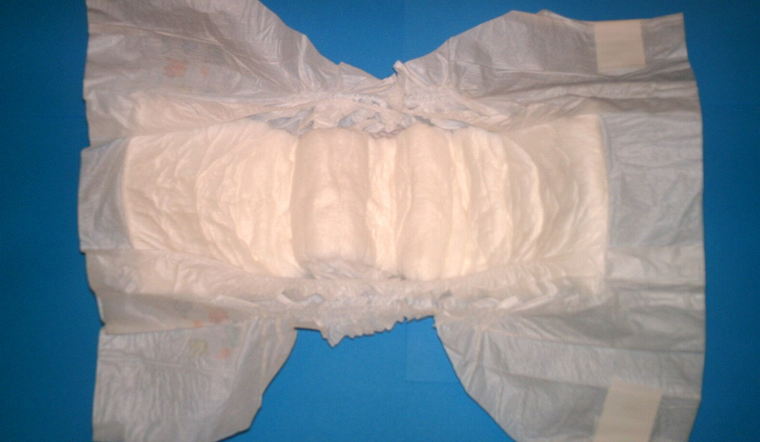
Struggling Tennessee families with young children in diapers may soon find significant relief thanks to a new state benefit under TennCare. Officials announced that starting in August, the state Medicaid program will be the first nationwide to provide 100 diapers a month for newborns, infants, and toddlers aged one and under. This support, approved by the Centers for Medicare and Medicaid Services, aims to alleviate some of these families' financial burdens.
Families are often forced to try and cut costs as monthly expenses rise, with diapers being a not insignificant part of the budget. In Tennessee, 92% of families receiving diaper assistance are employed but cannot afford an adequate supply, according to the National Diaper Bank Network. These new benefits come as a timely intervention, offering desperately needed support for parents who might otherwise be unable to provide sufficient diapers for their children.
The initiative is a central element of Governor Bill Lee's Strong Families Initiative, approved by the General Assembly in 2023, and is expected to distribute close to 100 million diapers, as per a report by KSby. The Nashville Diaper Connection, one of the five diaper banks in the state, played a pivotal role in advocating for the policy, noting that an inadequate supply of diapers can lead to serious health issues for babies and significant emotional stress for parents. "They're expensive, so this is going to be a huge, huge break," said Doug Adair, president of Nashville Diaper Connection, in a statement obtained by NewsChannel5.
As these benefits are to become soon available, TennCare officials are working to finalize key details of the plan, with various diaper brands expected to be covered to accommodate different baby needs. "We are excited to get this approval and be able to now focus on full implementation," TennCare Director Stephen Smith told The Tennessean. Despite the new program, diaper banks like Nashville Diaper Connection do not anticipate a decrease in demand for their services, drawing an analogy to the ongoing need for food banks despite long-established food stamps.



