

























































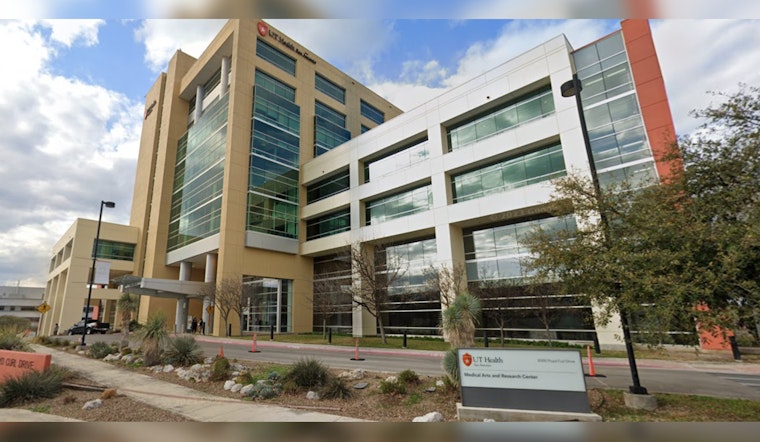
After enduring a patchy track record in delivering naloxone, Texas is overhauling its distribution system of the critical overdose-reversing medication. The state, grappling with consistent supply and logistics issues, has transitioned its key distribution from the "More Narcan Please" initiative to "Naloxone Texas" under Be Well Texas, a division within the UT Health Science Center at San Antonio.
Sources report that the state’s efforts have been marred by unexpected delays and erratic naloxone supply, challenging the ability of organizations to extend reliable care, particularly to the unhoused and drug-using populations. However, UT Health San Antonio representatives affirmed strides in improving distribution and communication, according to an article by the Texas Tribune. In February, amid these challenges, the More Narcan Please program was shut down, and Be Well Texas took the reins to assure a steadier distribution of Narcan.
The ramp-up comes after public criticism regarding the inability of harm reduction organizations to plan their strategies around the sporadic supply. "A lot of the time when we'd put an order in it would take weeks," Bret Flores, executive director of the DFW Harm Reduction Access Movement, told the Texas Tribune. With the state's new approach, Be Well Texas has reportedly managed to ship bulk orders within about five days, easing previous tensions.
Experts emphasize that free access to naloxone, also known commercially as Narcan, is vital due to the barriers presented by cost and stigma associated with drug use. With Naloxone retailing at approximately $40 for a two-dose box over the counter, public programs help ensure it reaches the hands of those most likely to witness or experience an opioid overdose. The Texas Harm Reduction Alliance, for example, supplies naloxone alongside other critical services at their Austin center and had to count on local government support after state delays, according to the same Texas Tribune report.
The state has also begun utilizing its funds for naloxone distribution for the first time, with the Texas Comptroller's Office managing a significant opioid abatement fund for this purpose. There's an expansion of naloxone access programs statewide, including a $75 million contribution by the Texas Division of Emergency Management from a pharmaceutical settlement, aimed at county sheriffs. Meanwhile, the Legislature has earmarked an additional $18 million for 2024 and 2025 to facilitate purchases of the life-saving drug. "We have greatly increased the output of naloxone being distributed and been able to fulfill the requests that have come through our door," Jennifer Sharpe Potter, executive director of Be Well Texas, told Texas Community Health News.
UT Health San Antonio's contract for distribution, expiring in August, obliges at least 120,000 doses to be handed out annually. Details regarding the future administrators of Texas's naloxone distribution are expected to be announced in September. For now, the state's adjustments endeavor to stabilize a life-saving supply chain grappling with past unpredictability.





