

























































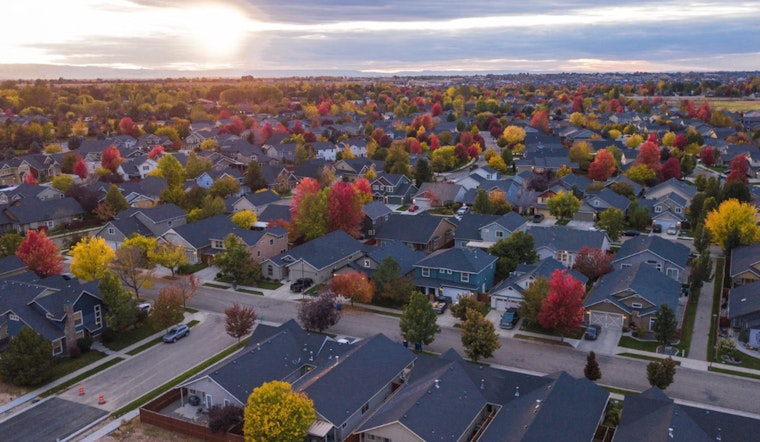
Black Atlantans striving for a piece of the homeownership dream find themselves up against persisting racial disparities, despite an uptick in Black homeownership during the pandemic. Nationwide, Black homeownership, while improved over the past few years, has yet to recover from the high of almost 50% in 2004, as per data from Zillow. Alongside, home prices in the city have more than doubled, upping the ante for potential Black homeowners.
Atlanta Civic Site Director Kweku Forstall highlighted the long shadow of the 2008 housing crash, recounting to WABE how it especially devastated areas on the south side of Atlanta, "creating 500-plus vacant units in the Pittsburgh neighborhood alone." Forstall stressed that Black and brown communities' distrust in banking institutions is an issue banks need to directly address. According to a recent report, nearly a quarter of mortgage applications from Black borrowers are rejected, underscoring the problem of access.
For potential homeowners like Kafayat Babajide, the struggle doesn't end with finding a suitable abode in Southwest Atlanta – securing a loan presents its own hurdles. Babajide's experience with her lender left her feeling unsupported, as she told WABE, "She might have put in a little bit of fight, but I mean, not very much to get my rate down." She was essentially told that further rate reductions would require additional payment from her.
Forstall also points to disproportionate access to loans, rational housing affordability, and a stark wealth gap that continues to impact Atlanta's Black and brown communities. Figures from the Annie E. Casey Foundation show a clear divide – 35% of Black residents own their homes compared to 58% of white residents as of 2021. Taking steps to close this gap, local organizations like the Atlanta Land Trust, led by Executive Director Amanda Rhein, have put increased affordable housing construction and retention of Black families in Atlanta at the forefront of their efforts. "Ensuring that Black families can continue to live in Atlanta is also really important because these are the families that have been here for generations that have helped to make Atlanta what it is today," Rhein explained to WABE.





-4.webp?w=160&h=400&fit=crop&crop=edges)