

























































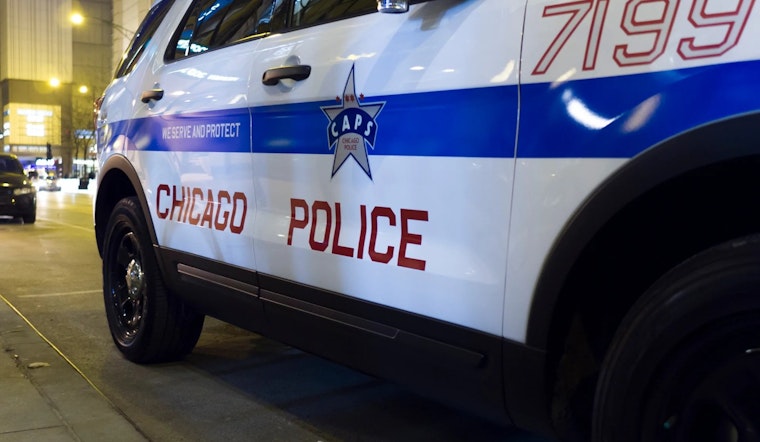
The Chicago Police Department (CPD) has been making efforts to aggressively boost its homicide clearance rate over the past year, with a noted increase from a 51.7% clearance rate in 2023 to over 65% in the first half of 2024. This increase in clearance rates, which measures the number of cases that are considered solved compared to those opened within the year, has been attributed to a restructured schedule for CPD's homicide detectives and a push from the department to solve more cases.
According to a report by the Chicago Tribune, CPD's renewed focus comes in tandem with plans to expand the detective bureau by 20% and a reorganization that aims to provide detectives with more ownership of their cases. This strategy also seems to have the effect of decreasing the number of homicides – with the city reporting 41 fewer cases compared to this time last year. Chief of detectives Antoinette Ursitti believes the staffing change has made "a profound effect" on the bureau's clearance rate.
The current system allows CPD to categorize a homicide case as "cleared" if a suspect is charged, prosecutors decline to bring charges after reviewing evidence, or if the suspect has died, as in the notable instance of the 1979 Ronald Tolliver case. Tolliver's case has recently been cleared by the CPD as a "death of offender", with the suspected narcotics dealer, identified in records simply as "Paul", never being charged.
Despite these successes, questions remain about the quality of these clearances. A previous analysis by the Chicago Sun-Times found that a large number of murders were closed without any arrests, accounting for 58% of the cleared homicide investigations in 2019. Such closures were labeled as "cleared, closed exceptionally" or CCX. Chief police spokesman Anthony Guglielmi indicated that the high percentage of CCXes was due to prosecutors rejecting murder charges more frequently.
Although there's been a significant long-term push to bolster the effectiveness of CPD's homicide investigations, it remains to be seen how sustainable these improvements will be. As part of the contract with the Fraternal Order of Police, the department can choose to discontinue the homicide teams after a yearlong trial period, pending further evaluation.





