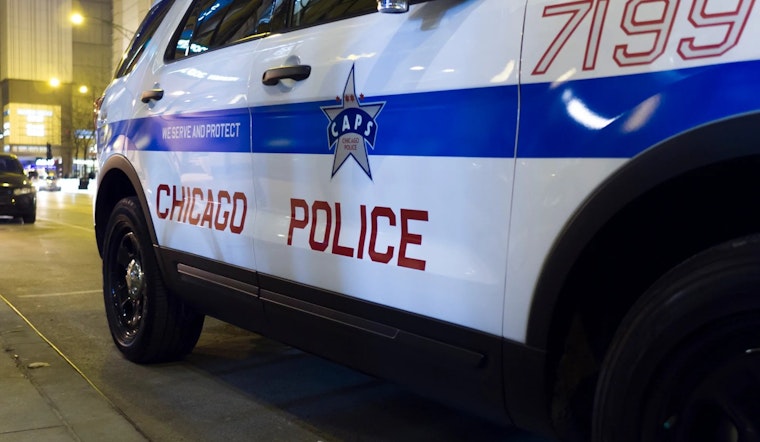
In Chicago, the ongoing debate regarding whether traffic stops by the police should come under federal oversight has now been escalated to the courts. According to the Chicago Sun-Times, at a pair of hearings on Tuesday, community members expressed deep-seated uncertainty about placing the Chicago Police Department's traffic stops within the framework of a federal consent decree that began in 2019. The decree mandates extensive reforms and the hearings were a platform for public input on how such traffic stops could be integrated into it.
During the hearings, the shadow of Dexter Reed, a man killed during a police traffic stop, loomed large. Advocates claimed the decree is far from the right vessel for addressing what they perceive to be a practice marked by racial prejudice and negligible results in crime fighting. "This is not really about accountability and swiftly ending pretextual stops, but is about a kind of red-taping of the problem," Keron Blair of the Community Renewal Society told the Chicago Sun-Times.
In contrast, Police Supt. Larry Snelling advocates for the expansion of the decree to include traffic stops, suggesting that it provides a much-needed oversight. "I am 100% dedicated in making sure that we get to the bottom of this," Snelling said during the hearings. Troubling statistics have pointed to a disproportionate number of traffic stops targeting people of color, while recoveries of guns and drugs remain minimal.
As reported by WLS, the debate is complicated by concerns that incorporating traffic stops into the consent decree could marginalize the newly formed Community Commission for Public Safety and Accountability, which is designed to influence CPD policy. "The Commission for Public Safety and Accountability really should take the forefront lead role in making sure we have better policy on traffic stops," Michael Harrington, a 49th Ward community advocate, told WLS.
Yet amidst this debate, some, like Tom Lam, an advocate from the Chinatown and Bridgeport communities, maintain that traffic stops have been beneficial in reducing violent crime in their neighborhoods. "I came to speak to tell my perspective of the traffic stops in the Chinatown neighborhood, and how greatly that it has reduced crime," Lam said according to WLS. However, the ACLU and others are wary, with attorney Alexandra Block calling the push for federal oversight under the decree a form of "damage control" in response to the fallout from the Reed shooting.
The final decision on whether the traffic stop strategy will be absorbed by the federal consent decree remains pending. Meanwhile, the discourse in Chicago continues as the city grapples with the balance between effective policing and community trust.