

























































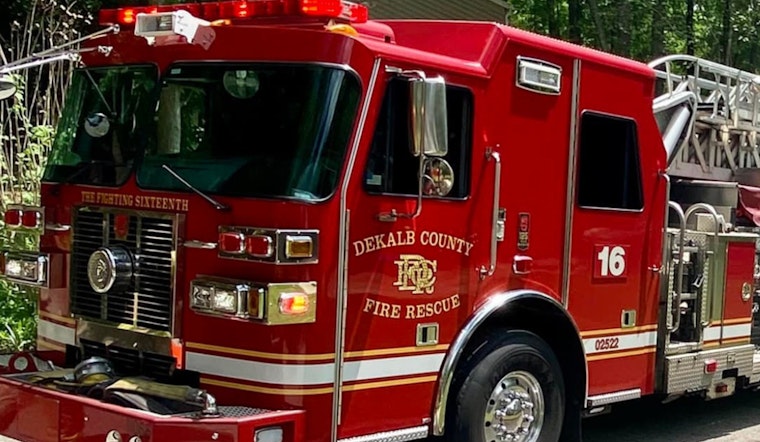
This weekend, DeKalb County Fire and Rescue took significant strides towards inclusivity and community engagement with a special training seminar designed to introduce local women to the demanding world of firefighting, offering practical demonstrations, facility tours, and interactive activities to showcase the challenges and rigors of the profession; the event emphasized the need for broader public understanding and appreciation of the roles women play in this field.
The seminar, in tandem with efforts to increase female representation in firefighting, hoped to spotlight the contribution of women in this traditionally male-dominated sector, according to FOX 5 Atlanta. The participation of attendees in various fire scenarios, from vehicle extractions to handling the weighty gear, aimed at dismantling preconceived notions about the capacity of women to perform in high-stress environments, answering a call for greater diversity that echoes from departmental stations to those most intimate of spaces where young girls first dream of serving their community.
The need for such initiatives is evident in the statistics: as of 2020, a mere 9% of U.S. firefighters were women, findings from the National Fire Protection Association revealed. This figure is outpaced by DeKalb's own roster, where out of approximately 630 firefighters, 31 are women, as reported by The Atlanta Journal-Constitution.
The recent recruitment drive extended beyond the practical, incorporating an empowering narrative thread. Captain Annette Haygood, whose own journey into firefighting was spurred by the once-rare sight of women on a fire truck over twenty years ago, echoed the sentiment: "It is very challenging for us to recruit women because, one, they think they can't do it, or they're not familiar with what we actually do," she told The Atlanta Journal-Constitution. Haygood underscored the importance of demystifying the job for aspiring women firefighters. The invitation to girls and women to don the gear, climb ladders, and save simulated lives is not merely a demonstration of physicality but an act of narrative reclamation. It marks a space where stories of courage are no longer the dominion of men alone but equally belong to the fabric of women's aspirations and achievements.





