

























































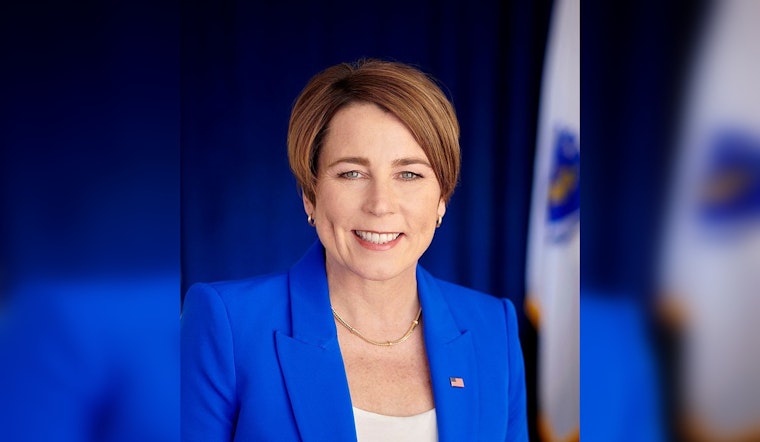
The Healey-Driscoll Administration in Massachusetts is funneling $1.1 million into the expansion of the Hospital to Home Partnership Program, according to a press release dated June 6. This boost aims to facilitate discharge processes directly to patient’s homes from acute care hospitals, shying away from the traditional path via skilled nursing or long-term care facilities.
Gov. Maura Healey emphasized the value and comfort of recovering at home for patients in the announcement on mass.gov. “Through these partnerships, patients will have the support they need to return to their community and continue receiving care, improving health outcomes and alleviating pressure on hospital resources and staff.” These grants, derived from the American Rescue Plan Act Home and Community-Based Services, are poised to create new roles to effectively connect patients with home-based recovery options.
Speaking on the significance of the grants, Lt. Gov. Kim Driscoll highlighted patients' eagerness to return to familiar environments after hospital stays. She stated, "These grants will allow patients to return to their homes and communities sooner, and in a safe and supported environment." The program strengthens ties between hospitals and Aging Services Access Points (ASAPs), which offer a wide range of services to help adults thrive in their home settings, as reported by mass.gov.
Health and Human Services Secretary Kate Walsh called the investment in community-based care a necessity in current times. Commenting on its impact, she said, “In addition to providing individuals with the supports they need after leaving the hospital, this program will also help open beds for other patients who require an acute level of care," according to mass.gov. Grants amounting to up to $300,000 are available to various partnerships, including Elder Services of Cape Cod and the Islands with Cape Cod Healthcare and Minuteman Senior Services with Emerson Hospital, as examples.
The integration of community expertise and resources marks a shift towards more personalized and patient-centered models of post-hospitalization care. Elder Affairs Acting Secretary Robin Lipson conveyed her eagerness to witness the innovative results as these grants facilitate more seamless transitions to community-based recovery. Massachusetts administrations remain dedicated to an evolving healthcare landscape, and this program represents their commitment to that effort.





