

























































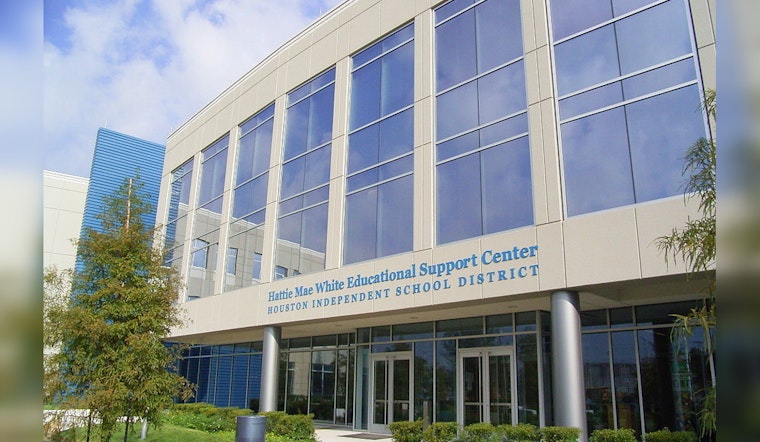
In a move that has cemented divisions within Houston's educational landscape, the Houston Independent School District's (HISD) board of managers approved a substantial $2.1 billion budget with a close 5-4 vote. This recent decision, as reported by the Houston Chronicle, has been the subject of heat and contention, underscoring the board's largest split on Superintendent Mike Miles' proposals since their appointment by the Texas Education Agency last June.
Central to this budget is an allocation of one-third of district funds to schools within Miles' New Education System (NES), even amid a daunting $528 million funding gap. The resources directed towards the 130 NES schools total over $684 million, a sizeable investment meant to drive reform in education, notably in schools that serve a significant proportion of low-income students. These funds are aimed primarily at higher salaries for staffing and bolstered special education resources, as reported by the Houston Public Media.
Interestingly, the specifics of cut jobs from the central office have not been made public, yet the reduction has been significant, with 1,500 positions eliminated in the effort to close the budget shortfall. Criticism from community members has also highlighted the increased spending on administrative positions paying at least $200,000, raising questions about budget allocation priorities. HISD, in an attempt to "keep cuts as far away from the classroom as possible,” has faced backlash, particularly over the elimination of wraparound specialists who provide crucial assistance to vulnerable students, according to Houston Chronicle.
The divide in opinion was further exacerbated during the board meeting, with arguments from stakeholders who strived to significantly delay the vote, advocating for more clarity and consideration. Among them was HISD parent Charlotte Proctor, who expressed scrutiny over the expansion of NES and its attached costs: "There are questions about the propriety of expanding NES, budget increases for charters and confusing cuts to many schools. This year, there were examples of money wasted and (unnecessary) equipment purchased," Proctor told the Houston Chronicle.
Although teacher salaries are forecasted to rise, with the average salary at NES campuses projected by Miles to hit $84,400, these increases come alongside the elimination of teaching positions and other staff roles. The contentious budget reflects broader trends of financial shortfalls in the region’s school districts, weighed down by declining enrollment and stagnant state educational funding since 2019.
Arguments both in favor of and against the budget bring to light a complex web of challenges HISD faces. On the one hand, the district points to positive outcomes in standardized tests and the need for investment in historically underserved schools. On the contrary, community voices express deep concerns regarding the implementation and scaling of the NES model, prioritization of funds, and potential marginalization of non-NES campuses.
As the dust settles on this latest fiscal plan, the HISD community remains deeply invested in the ongoing discourse about the future of its schools, leadership, and the strategies that will best serve its student population.





