

























































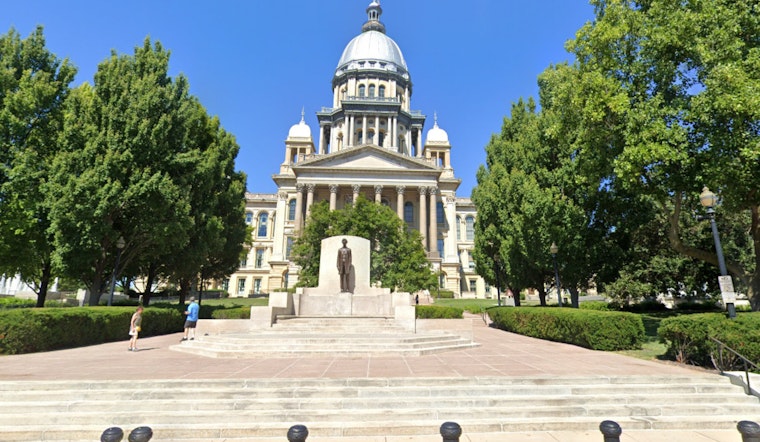
Infrastructure gains are on the horizon for various communities within Illinois, thanks to a notable injection of funds earmarked for improvements to critical public systems. Governor JB Pritzker, along with the Illinois Department of Commerce & Economic Opportunity (DCEO), has formally unveiled the distribution of $41 million in grant funding from the Community Development Block Grant (CDBG) for Public Infrastructure, according to an announcement from the Illinois government. These grants will propel enhancements to water, sewer, and drainage systems, impacting over 52,000 state residents.
"Every community in Illinois deserves access to clean drinking water, regardless of where they live," Pritzker remarked, emphasizing a vision of equality and health for Illinois citizens. The advancement this funding promises ensures that 32 communities will see upgrades that not only fulfill immediate needs but anticipate the well-being of future generations. Lt. Governor Juliana Stratton echoed these sentiments, focusing on the reliability of water and sewer systems that residents often take for granted, underscoring the granted funds as a crucial step toward statewide equity and enhanced quality of life.
In conjunction with these local leaders, federal legislators have expressed their support for the initiative. U.S. Senator Dick Durbin praised the CDBG as an "instrument of change," strengthening communities long touched by neglect and enabling residents to thrive. Durbin's counterpart, Senator Duckworth, recognized the importance of the grants with a nod to her own efforts at the federal level, committing to continue her advocacy for vital water and wastewater systems improvements in Illinois.
Notably, this year marks the golden anniversary of the CDBG program, a mainstay in the pursuit of community stability and prosperity since 1974. The program's principal aim has been to assist those in vulnerable circumstances, with a particular emphasis on infrastructure, housing, and economic development projects. Over the span of seven years, the program has dispensed nearly $165 million across more than 230 communities, specifically targeting areas where over half of the population falls within the low-to-moderate income bracket, DCEO Director Kristin Richards told the Illinois government.
These sizeable public infrastructure grants, averaging $1.2 million and reaching up to $1.5 million per local government, were awarded with a preference for projects in underserved areas, and for those that brought additional, non-state matching resources to the table. The full list of transformative endeavors, numbering 32 in total — can be found on the state's official website. Each reflects a targeted effort to revitalize and secure a more prosperous future for Illinois communities often overlooked in the grand scheme of public improvement campaigns.


