

























































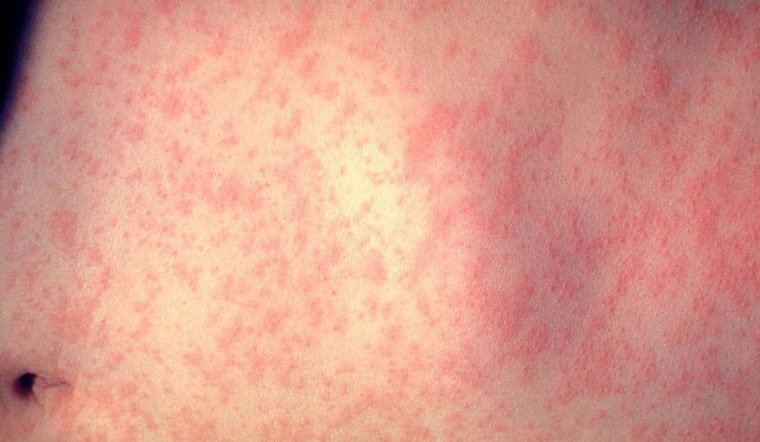
After weeks of heightened alert and community efforts, the Illinois Department of Public Health (IDPH) has given the all-clear on the measles outbreak that put Northeast Illinois on the public health map. The IDPH declared the outbreak is over with no new cases reported since mid-April, which marks the end of the largest measles episode in the area since 1990. According to a release by IDPH, a span of more than 42 days without a new case, which is the timeframe of two full incubation periods, has been observed, signaling that the risk has subsided.
The epicenter, a Chicago shelter for new arrivals, saw the majority of the 67 total reported cases. From there, the disease spread to suburban Cook County, DuPage, Lake, and Will counties, though cases outside Chicago were swiftly managed. Health authorities commend the coordinated response across various sectors. "I applaud all of the public health, health care, emergency management, and social service staffers who worked so diligently to cooperate across jurisdictional lines to contain this measles study," Dr. Sameer Vohra of the IDPH explained.
People are reminded, however, that vaccination is key to preventing such outbreaks. Although the measles scare is over, IDPH emphasizes the ongoing need for vigilance and vaccination, particularly as vaccination rates have dipped nationally since the COVID-19 pandemic. The Centers for Disease Control and Prevention (CDC) notes as of the end of May, the U.S. had seen 146 measles cases in 21 jurisdictions. They advocate strongly for keeping immunization records up to date to avert future outbreaks of vaccine-preventable diseases.
The IDPH worked with the Illinois Department of Human Services (DHS) and the Illinois Emergency Management Agency (IEMA) to provide local health departments with necessary support, such as epidemiological services and educational resources geared towards clinician and community awareness. A dedicated quarantine hotel shelter was established in Chicago with Emerging Diseases funding to safely segregate the most susceptible individuals, namely those who are pregnant, immunocompromised, or young children. This strategy not only safeguarded the health of these groups but also helped to alleviate overcrowding at the shelter experiencing the outbreak.
Furthermore, concerted efforts to bolster preventative measures were evident in the deployment of additional vaccines to the area and the implementation of a school vaccine dashboard. These tools have been vital in ensuring the health and well-being of Chicago residents, the vast majority of whom were already shielded from the potential risk posed by the outbreak.
Capping off the comprehensive response, the state supplied clinical and infection prevention support onsite at shelters and led numerous meetings to determine best practices for the isolation of infected individuals and quarantine for those exposed.


