

























































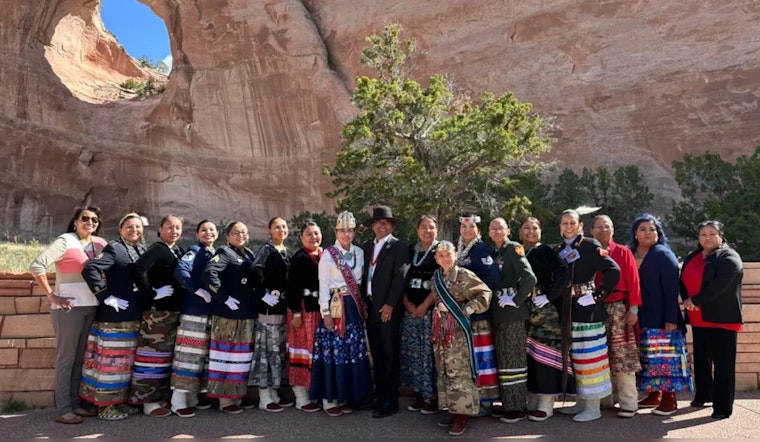
The efforts and sacrifices of women in the armed forces garnered recognition on Women Veterans Recognition Day, observed yearly on June 12. This year, the day not only honored female veterans universally but also shone a light on the Navajo women who have served. Standing since 1948, the Women's Armed Services Integration Act has been a pillar for women's lasting military involvement, a message affirmed by the ceremonies and remembrances held across the country yesterday.
As noted in an announcement by the Office of President Jonathan Nez and Vice President Myron Lizer of the Navajo Nation, the date marks more than just the integration of women into the military; it symbolizes resilience and fortitude, especially amongst the Navajo women. Acknowledging the double bind of cultural and gender expectations, President Nygren was quoted celebrating their contributions: "We know our Navajo women, our mothers, grandmas, are tough, they are strong, they care for the land, herd sheep, chop wood, and care for the family, they are nurturing and kind." He accentuated the unique pressures faced by these women, "No one else knows the pressure these women endured to show they belong and should be in the armed forces. They paved paths for our women, native women, and we are forever grateful and proud."
This acknowledgment serves as a reminder of the progress achieved through legislation like the Women's Armed Services Integration Act, which established a foothold for millions of women in military service. This legacy of inclusion has continued with the current administration's establishment of a community engagement team focused on veterans' needs, highlighted by the creation of a Veteran Affairs Representative role to directly address concerns.
Women Veterans Recognition Day, while a nod to the past, also carries an active gesture to the present-day service of women. As they continue to participate in the military with their distinct experiences and capabilities, the day serves as a powerful reminder of their enduring, unheralded patriotism. In the context of ongoing advocacy for veteran affairs, such public recognition furthers the dialogue on ensuring the fair treatment and full recognition of all veterans, regardless of gender or ethnicity.





