

























































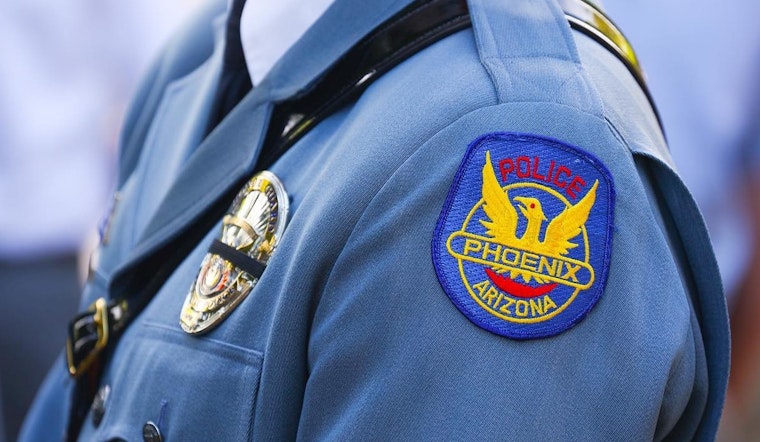
Community leaders and activists are raising their voices following the Department of Justice's detailed criticism of the Phoenix Police Department. A report uncovering civil rights violations, released last week by the DOJ, led to immediate reverberations across the Phoenix community and drew reactions ranging from concern to outright rejection of the department's capability for reform.
According to a statement obtained by FOX 10 Phoenix, the DOJ found the Phoenix Police Department to be engaged in habitual violations of protestors' and homeless individuals' civil rights, along with discrimination against people of color. The assistant attorney general described these findings as both historic and severe, suggesting the issues were deeply rooted within the force. Despite these findings, community groups such as Black Lives Matter Phoenix Metro and Poder in Action argue that the changes proposed by the Phoenix Police Department remain insufficient. Moreover, they criticize the DOJ for not incorporating their input into its recommendations.
The skepticism from community groups is matched with a contrastingly defensive stance from law enforcement representatives. The Phoenix Law Enforcement Association's president, Darrell Kriplean, questioned the political motives behind the DOJ report and pointed to current reforms as a pledge toward transformation. In the mix of these differing viewpoints, the heart of the problem seems to be the communication and trust—or lack thereof—between the police, city officials, and the communities they serve.
While the police force purports to make strides in improvement, at a joint news conference reported by ABC15, activist groups have strongly contested the sincerity of city leaders. "When Mayor Gallego and City of Phoenix say this is new to them, they are lying," Poder in Action's Rebecca Denis asserted. The DOJ's report mentions a slew of cases that were in the public eye, exposing a disconnect between the city's claims of cooperation and its actions. For instance, the report highlights that over 40 officers and supervisors declined to participate in the investigation, and external reports requested by the DOJ were not provided.
Amidst calls for more substantial and participatory reform, Phoenix awaits a key meeting set for June 25, where legal advice on the DOJ findings will be a topic of discussion. With potential court proceedings on the horizon, the community and its leaders remain at a crossroads, determining the future direction of trust, accountability, and safety within Phoenix. The coming days may shed light on whether the city can navigate a path toward reform that aligns with the principles of justice it has long professed to uphold.





