

























































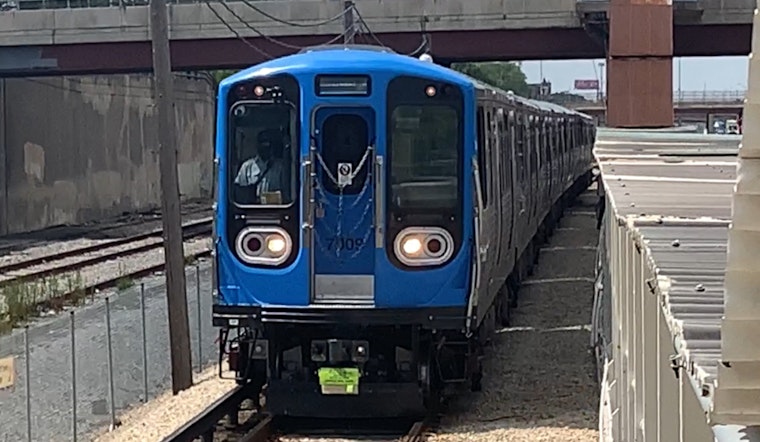
Silence in San Marcos has been broken as train horns blare through the city's "quiet zones" for the first time since 2015. An inspection by the Federal Railroad Administration revealed safety violations at several railroad crossings, prompting the return of the horn blasts to alert locals of oncoming trains. Among these issues were inadequate curb heights, worn striping, and missing safety signs, reported KVUE.
Residents and businesses situated near the tracks have been forced to quickly adjust to the sudden change. Rey Garcia, senior project engineer with the City of San Marcos, acknowledged the impacts, stating, "A lot of people have gotten used to not hearing those horns. There are a lot of neighborhoods and businesses that are in the vicinity of the tracks," as reported by KUT. To properly address the problem, the city has outlined a scheduled series of repairs and re-assessments estimated to span three to six months, with re-inspections and collaboration with Union Pacific and others to bring the crossings up to code.
The resumption of train horns has sparked irritation among some locals who had become accustomed to the more serene environment. "I’m very irritated in the morning or at night when I'm waking up to a horn blaring," Konleigh Eben, who has lived near the Hunter Road daycare for four years, told KVUE. Responses vary, however, with Brette Riley, a long-time resident, expressing a different sentiment, "We’re kind of immune now," and conveying an appreciation for the train sounds, as he enjoys visiting railroad museums and the travel by train.
For Kimberly Schulle, Assistant Director at First Step School, the concern is primarily for the children's well-being. The startup of train horns, she worries, will disrupt both playtime and naptime for her students. "If they’re going to be coming through and blowing those horns, it’s going to wake up our kids at nap time and our kids need their sleep," Schulle explained in a statement obtained by KUT. She wishes the community had been better informed in advance to prepare the children for the change.
City officials assure that they are diligently working toward rectifying the issues, but until then residents will have to deal with the added noise. Information on the changes was posted on the city's website, which for some, like Schulle, was not enough warning. The city plans to continue with the needed maintenance such as reconstructing medians and replacing signage to ensure compliance and the eventual return of the quiet zones in San Marcos.





