

























































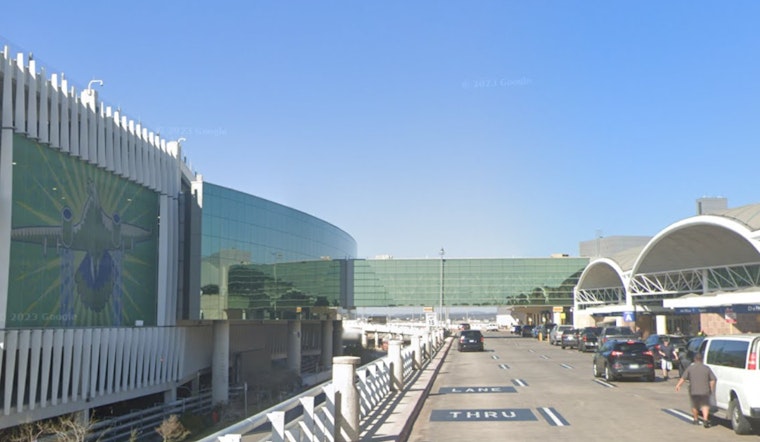
As San Antonio International Airport gears up for a significant transformation, a modernization effort fueling both excitement and controversy looms over the horizon. The city is on the brink of introducing a new airport terminal, part of a sweeping $2.5 billion strategic development plan, with demolition of certain structures on the docket, including one recognized for its historic import—a 1960s-era building known as the Badge ID building. Yesterday, the Historic and Design Review Commission (HDRC) granted approval for progression of the new terminal project, notwithstanding the nuanced debate over the potential razing of this architectural artifact.
The Badge ID building, designed in a distinctive new formalism style by architect Clarence Mayhew, stands out among other edifices slated for demolition due to its eligibility for the National Register of Historic Places. According to a San Antonio Report, the Texas Historical Commission has recognized the building's architectural significance. In response, HDRC commissioner Maurice Gibbs expressed the commission's reluctance to see the building go: "We want to see if there is some possible way, some way, shape or form that either the building can be saved or elements can be saved."
Officials from the HDRC and the architects behind the terminal's conception entertained an array of alternatives, ostensibly to accommodate the small yet significant structure within the airport's future blueprint. Notwithstanding, logistical challenges persist—notably, the building's proximity to a utility easement and its intersection with planned curbside road and parking improvements. The conundrum underscores the complexity surrounding the intersection of heritage preservation and infrastructural progression.
As per the San Antonio Report, lead architect John Trupiano admitted the pivotal role of such improvements, "In this particular terminal, one of the things that we are accommodating is the growth of transatlantic flight, which just started here at San Antonio, which requires accommodating a larger aircraft." Yet the HDRC members persisted, seeking alternative avenues that might spare the building. Alas, the proposed terminal layout, stringent regulatory requirements and anticipated traffic demand exert immutable constraints.
The inexorable march towards modernization, nevertheless, will not proceed without homage to the past. Before any demolition, the aviation department will undertake meticulous documentation of the building using Historic American Building Survey level 1 standards. O'Krongley, the airport's Deputy Aviation Director, described the forthcoming measures. "Before the building is demolished, the aviation department plans to document the structure using Historic American Building Survey level 1 standards, collect archival photos and drawings, create a written report detailing its history and physical description," he told the San Antonio Report. Even in absence, an echo of the building's legacy may resonate through the proposed incorporation of signature design elements into a new pedestrian walkway.
Preparations look to the horizon, with completion of the terminal expected by 2028, as the city of San Antonio confronts the perennial challenge of balancing modernization with the stewardship of its historical narrative. The current phase of construction on the ground load facility moves toward a mid-2025 milestone, casting a mould for the city's broader aspirations in an era of rapid change.





