

























































Retired Army chaplain Norman Jones began encountering unusual difficulties with simple tasks, such as running, which eventually led to a grim diagnosis: amyotrophic lateral sclerosis (ALS), as reported by KSAT. Jones, who served in the military for 24 years, noticed his left foot dragging while jogging, a sign that something was amiss within his muscular functions; this symptom was a forewarning of the neurodegenerative disease that affects many like him.
Usually manifesting in a person’s late 50s to early 60s, ALS is known for causing muscle weakness, starting with activities like walking and grasping objects, and can advance to more severe impairments including slurred speech and difficulties swallowing, veterans are two to three times more likely to develop the disease when compared to the general population. Dr. Quinshan Teng, a neurologist at the VA South Texas Veterans Health Care System, described ALS as a disease of muscle weakness emphasizing the complex nature of the disease which remains elusive in diagnosis due to the lack of a definitive marker or test.
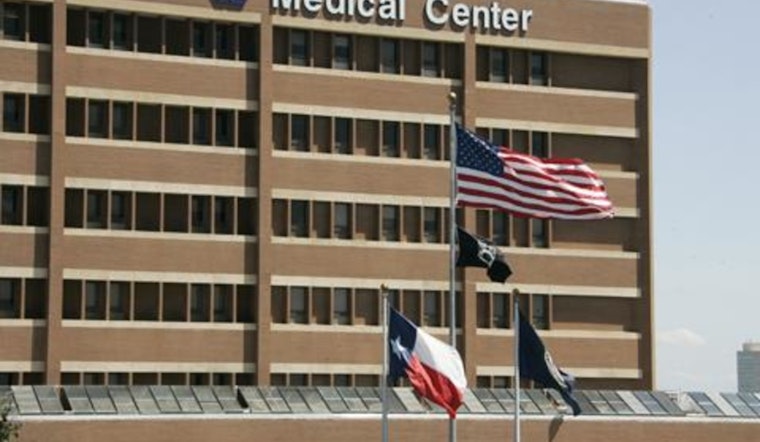
Aiming to address the challenges faced by those diagnosed with ALS, the VA South Texas Health Care, including the Audie L. Murphy Memorial Veterans' Hospital located at 7400 Merton Minter Boulevard in San Antonio, as listed on their website, offers a multi-disciplinary approach. Recognized as a Certified Treatment Center of Excellence by the National ALS Association, they enable patients to consult around ten different specialists during a single visit.
Jones has been leaning on hope and taking life one day at a time alongside his wife of 44 years, as they navigate the day-to-day challenges of ALS, trying to cherish the time they have doing the things they enjoy together “(Try and) keep hope alive and one day at a time,” Jones said. As research continues, experts like Dr. Teng and his team are also working on biomarker studies, with the goal of making strides in the ALS community, which could lead to better diagnostic tools, and hopefully, eventual treatments for diseases like ALS that so disproportionately affect those who have served in the armed forces.


