

























































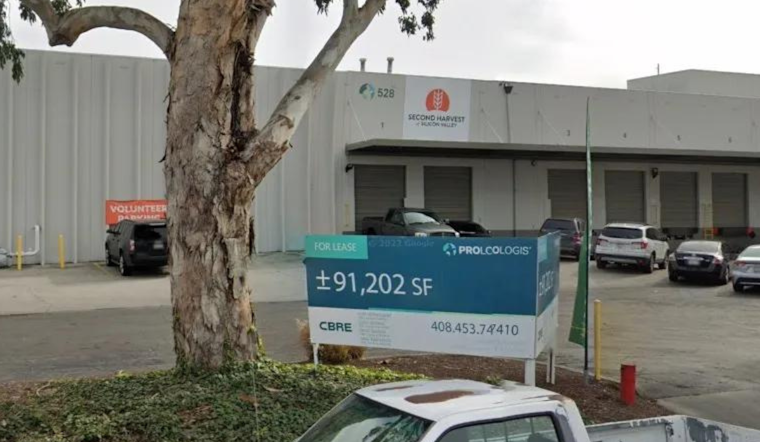
The critical food support system in Silicon Valley faces a crunch as Second Harvest of Silicon Valley, a principal food bank in the Bay Area, is compelled to shut down its largest warehouse. Due to an impending rent increase, the nonprofit has resolved to cease operations at its 90,000-square-foot warehouse on Brennan Street in San Jose, a move that threatens to complicate its efforts to distribute food to the local community at a time when demand is surging. "Every single week, we receive more than 85 tractor-trailer loads of food," Leslie Bacho, CEO of Second Harvest, enumerated to NBC Bay Area. "Unfortunately, this is our largest facility that we are closing, so we're having to just figure out how we can have that work get done other places."
Despite the logistical hurdles imposed by the warehouse’s closure, the food bank remains determined to confront these challenges. The Brennan Street site, which had been seen as a temporary location, was utilized for volunteer activities, equipment storage, and crucially, food storage. Diane Baker Hayward, a spokesperson for Second Harvest, conceded in a statement by Silicon Valley, "We analyzed our current operational and volunteer needs and determined that the cost required to maintain the facility is no longer the best use of our resources". Second Harvest anticipates vacating the premises by Aug. 31. The decision to consolidate operations comes amidst soaring inflation, which has seen the nonprofit grapple with a consistently heightened need for its services since the coronavirus outbreak.
Second Harvest's commitment to tackling food insecurity has not wavered despite the financial headwinds. Monthly, the organization aids 500,000 individuals in Santa Clara and San Mateo counties. Nevertheless, the closure highlights broader tensions about nonprofit survivability within the region's firmly competitive real estate market. After doubling the volume of food provision to respond to heightened community needs brought on by the pandemic's economic fallout, their capacity peaked. "Our other facilities were bursting at the seams as we doubled our volume quickly to meet the rising need in our community," mentioned Hayward about their scaling efforts during the peak period of demand, per Silicon Valley.
The withdrawal from the Brennan location also prompts a significant operational pivot for Second Harvest, which includes relocating some job functions as it adjusts team structures to fit the new constraints. "The closure of Brennan will require us to restructure some of our teams," Hayward confided, as per Silicon Valley. "We are just beginning to create a plan to address these changes." The essential role of Second Harvest in feeding thousands within the local community remains as it works through its current conundrum, attempting to maintain service levels while facing diminished donor support. According to Hayward, the food bank is serving as many people as it did in the fall of 2020, but with 40% less support from donors, challenging its operational stability even further.
The public policy implications of a major food bank struggling with its infrastructure in one of America's most affluent regions underscore systemic issues that extend far beyond the walls of a single warehouse. In considering the social impact, the substantial reliance on organizations like Second Harvest demonstrates the persistent and urgent need for solutions addressing both food insecurity and the economic forces that strain the very systems meant to combat this human concern.




