

























































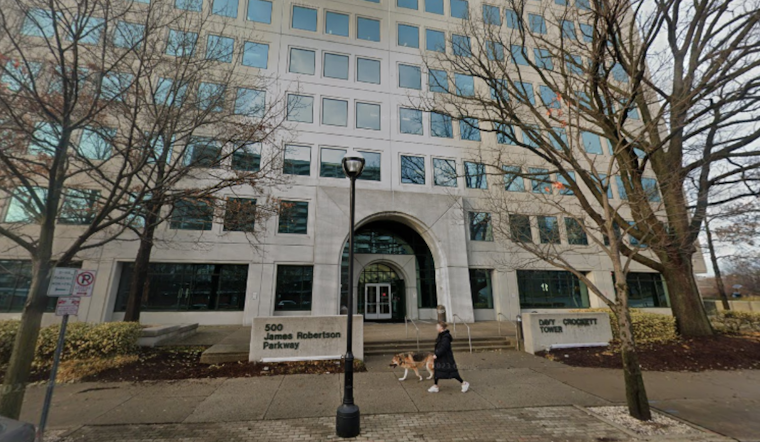
Investment scams are finding new life on the internet, with imposters leveraging the identities of legitimate professionals to swindle unsuspecting victims. A recent post from the Tennessee Department of Commerce and Insurance laid bare the methods of these scammers, who use a technique known as "spoofing" to pose as trustworthy brokers or advisers. It's a grim reminder that when extraordinary returns are promised with zero risks, it's crucial to deeply scrutinize the source.
One of the threat actors, known in the cautionary tale as Scooter Scamster, scoured through BrokerCheck, a public database, to meticulously craft his deceit. Scooter chose to impersonate Samantha Sterling, a veteran in the financial industry, even going as far as to create fake contact information and a convincing but falsified BrokerCheck report. By doing so, he aimed to quickly earn the trust of potential investors, though this trust would be entirely founded on lies. In his email blasts promising impossibly lucrative returns, Scooter hoped to swiftly defraud those who wouldn't verify his claims.
However, a vigilant investor named June, armed with the knowledge from an investor education presentation, recognized the red flags. According to the story from the Tennessee Department of Commerce & Insurance, June decided to cross-check the details from Scooter's email. She noticed discrepancies in the information provided and an address that led to a diner, not a professional firm. Reaching out to the real Samantha Sterling using verified contact information, June uncovered the scam.
Samantha Sterling's shock at being impersonated quickly turned into action, as both she and June reported the fraudulent activity to the securities regulator. Due to June's diligence and readiness to question what seemed too good to be true, the scam was nipped in the bud before it could cause extensive financial harm. This incident serves as a powerful reminder of the importance of doing one's research and the potential dangers of not doing so when investing, especially online.
Guarding against financial fraud is an ongoing battle, and the story underscores the need for investors to remain vigilant. With scammers increasingly sophisticated in their approaches, verifying credentials and being skeptical of unsolicited offers are critical habits to adopt. As this case demonstrates, a bit of skepticism and the willingness to look a little closer can go a long way in protecting one's financial future.





