

























































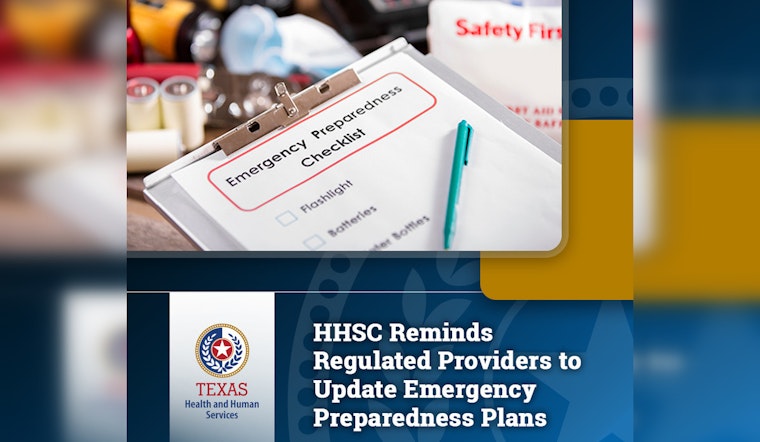
As the 2024 Atlantic hurricane season kicks off today, Texas healthcare facilities and other providers have been put on notice. The Texas Health and Human Services Commission (HHSC) is pressing for an update to emergency response plans in anticipation of the turbulent weather ahead. The commission's warning comes as the National Oceanic and Atmospheric Administration predicts a busier than average hurricane season, with up to 13 hurricanes and potentially up to seven major storms.
"Experience has shown us that Texas weather can be dangerous and sometimes deadly," stated Stephen Pahl, HHSC's Deputy Executive Commissioner for the Regulatory Services Division, in a news release. An average season typically spins up three major hurricanes, but providers are being urged to prepare for more than double that number, as Texas braces for the possibility of a rough few months.
The HHSC's requirements are far from suggestions – they are mandates that local health care facilities, including long-term and acute care, must follow diligently. This includes nursing homes, assisted living, hospices, hospitals, and even child care operations, all of which are under orders to have a current plan that can be swiftly and effectively put into action when disaster strikes.
Among the essentials of an emergency prep plan is the details on evacuation routes, transportation, clear staff responsibilities, continuity of care, and reliable communication pathways. All these measures aim to ensure just one thing – that the most vulnerable are not left without a lifeline in a hurricane's wake. Hospitals and dialysis centers are under the gun as well to ensure these protocols are up to snuff, and that their staff is thoroughly trained.
Resources are not thin on the ground; HHSC has issued guidance on plan updates and encourages providers to use the wealth of information available on the DSHS Texas Ready website. This includes sample plans, supply checklists, and much more to support preparedness for hurricanes and other emergencies. The season, which can twist the arm of the Texas Gulf Coast, runs through November 30, meaning that readiness during this time could be the difference between safety and disaster.
In case this notice has gone unheard, Texas HHSC Disaster Services remain poised to offer a support hand through public health and medical assistance, medical needs shelters, counseling, disaster food assistance, and provisions of water and ice. Additional regulatory support is also on hand for health care, long-term care, child care operations, and special waivers for Medicaid providers and clients if needed.


