

























































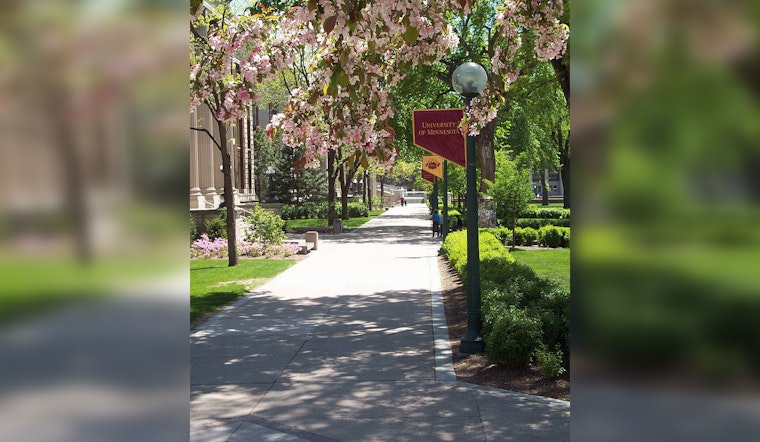
The University of Minnesota has officially confirmed its financial map for fiscal year 2025, following extensive review and public input. As reported by the University's news release, the Board of Regents greenlighted a budget that aims to sustain the institution as a bastion of learning and research. Board Chair Janie Mayeron underscored the University's vital role, saying, "The University of Minnesota’s continued success is measured by the world-class learning, discovery and engagement our students, faculty and staff engage in." She recognized the challenges ahead but affirmed the budget's support for "Minnesota’s future leaders" and statewide innovation.
With the new budget in place, the University is bracing to tentatively manage about $5.1 billion in revenue against $5 billion in projected expenses. This balance comes amidst the need to finely adapt to inflation's persistent pinch and various pivotal operational demands. The budget is expansive, covering merit-based raises for employees systemwide, with most averaging 3% increases, while collective bargaining unit employees could see an average uptick of 4%. This is in line with prior labor agreements, positioning the University as a competitive employer in the academic sphere.
There's good news for the University of Minnesota's student workers too. The student minimum hourly wage is slated for a bump up to $15.25. Additionally, there's a new $20/hour baseline for Civil Service and P&A employees. Investments don't stop at pay; around $63 million is allocated to nurturing academic and student-centric activities. Mayeron highlighted this commitment: "This budget continues vital work to educate Minnesota’s future leaders, drive a talented workforce, and bring groundbreaking research and development to communities throughout the state."
The undergraduates at U of M, however, will need to adjust their financial plans as tuition is set to hike. Increases vary across campuses, with resident students in the Twin Cities facing a 4.5% rise. To balance the equation, units across the University will redeploy internal resources, a necessary act to return more than $37 million into the system. Such strategic relocations of funds are part of U of M's effort not only to just stay afloat but to optimally allocate its financial reservoir.
The Board of Regents isn't closing the conversation with its budget approval. It continues to solicit public perspective and insight via its Virtual Forum. This digital platform invites audio, video, or written submissions from anyone, anytime. As announced, "All comments are shared directly with Regents and included in the Board’s public docket materials."
Beyond the budget, the Board has kept busy with multiple agenda items including setting their 2024-25 meeting schedule, progressing on health sciences strategy, and engaging in Native American affairs discussions. They've even addressed facilities maintenance with the capital improvement budget and revised tuition policy, all punctuating their effort to meaningfully steward one of Minnesota's most enduring academic institutions.





