

























































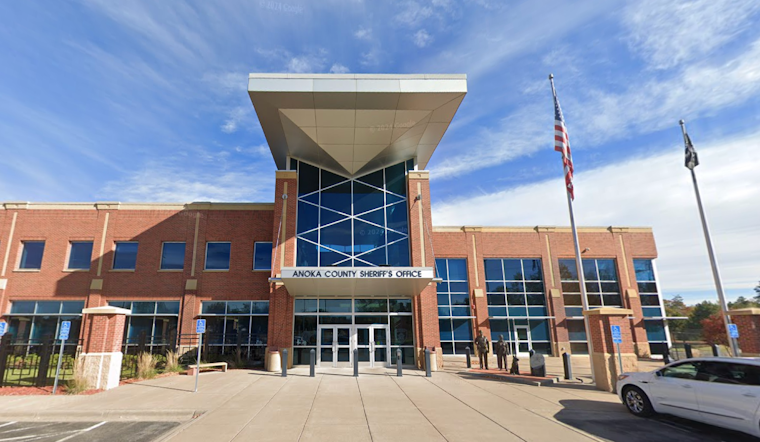
Anoka County Sheriff Brad Wise is defending a new Flock Safety pilot after signing a $174,500 contract that would add as many as 75 automated license plate readers and roughly 10 drones across the county. The price is $500 below the $175,000 level that requires County Board approval, making the technology debate also a question of who gets the final say. The plan would expand a camera-and-drone system already being used by local agencies.
KARE 11 reports that Wise entered the agreement with Flock Safety for drone-assisted response and additional license plate readers. The drones would be dispatched after emergency calls to give deputies an aerial view before traditional responders arrive, while the cameras would capture vehicle plates and other identifying characteristics. Wise told local officials the technology has helped locate missing people and solve cases.
What Anoka County’s Flock Pilot Would Add
The proposed drone network has been described as a countywide emergency-response system, with strategically placed stations capable of sending aircraft to police, fire or medical calls. A May presentation to the City of Anoka said the program could use up to nine drone stations and identified Flock Safety as the preferred vendor for both drones and automated license plate readers.
Earlier planning documents presented to Spring Lake Park officials described a 10-year pilot that would increase the countywide camera network from 89 to 152 devices, with the first year free and later costs distributed through the Joint Law Enforcement Council formula. The Spring Lake Park briefing also said the program could reduce local costs during its first two years before expenses rose.
What The Sheriff’s Office Says The Cameras Do
The Anoka County Sheriff’s Office transparency portal currently lists 13 cameras in its patrol areas, 30-day data retention, 71 searches during the previous 30 days and 364,239 vehicles detected during that period. It also lists 4,858 hotlist hits tied to sources including the Minnesota Bureau of Criminal Apprehension and National Center for Missing and Exploited Children alerts, according to the Flock transparency portal.
The sheriff’s office and Flock are emphasizing limits on how that information can be used. Flock says it does not have contracts with Immigration and Customs Enforcement or any Department of Homeland Security subagency, while a county presentation says Anoka County data is not shared with federal agencies and immigration-related searches are prohibited and blocked.
Why Privacy Concerns Are Growing Across The Twin Cities
Those assurances arrive as Minnesota communities take a harder look at who can search license plate databases. The Minnesota Star Tribune reported that a review of search records found state, county and federal agencies had accessed camera data in at least eight Twin Cities suburbs for immigration-related enforcement between November and March. The reporting did not allege that Anoka County’s system was used in those searches, but it helps explain why data-sharing rules are now central to local discussions.
Columbia Heights, an Anoka County city, voted in June to end its Flock contract and remove 12 license plate readers after residents and council members raised privacy concerns. CBS Minnesota reported that the debate centered on whether local officials could fully control access to data once it entered Flock’s broader law-enforcement network.
Legal And Oversight Questions
Minnesota law requires law-enforcement agencies that operate automated license plate readers to adopt written policies governing their use. The requirement is outlined by the Minnesota Revisor of Statutes, which also ties those policies to state data-practices and employee-discipline rules.
Anoka County’s own policy says ALPRs may be used for official law-enforcement business, including routine patrols and criminal investigations, and that reasonable suspicion or probable cause is not necessary before using the technology. The policy also requires training and says deputies should verify an alert through state or federal databases before taking enforcement action based solely on the camera’s result, according to the Anoka County Sheriff’s Office policy.
For residents, the immediate issue is not simply whether the cameras and drones can help solve crimes. It is whether the county’s access, sharing and audit rules will keep pace if the pilot expands from a limited sheriff’s-office network into a much larger countywide system.



