

























































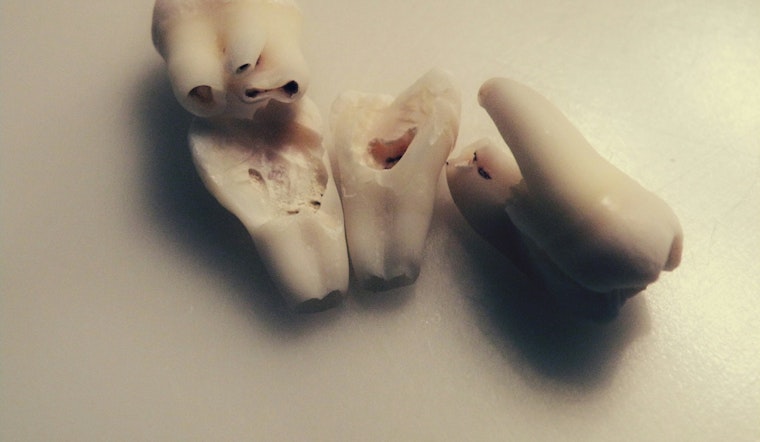
Wondering about those pesky wisdom teeth that seem to make their grand entrance in the late teen years? You're not alone, and the University of Minnesota's very own Dr. James Swift is shedding light on the topic. According to the U of M's "Talking...with U of M" series, roughly five million Americans find themselves in dental chairs each year, having those third molars dealt with. But Dr. Swift emphasizes not every set of wisdom teeth needs to be shown the door—some may come in fully and function just like the rest of your teeth.
But what's the deal when they start acting up? "If wisdom teeth partially erupt, they may harbor bacteria in the mouth and may become affected by gum disease or cavities because they are not fully exposed," Dr. Swift told the University of Minnesota. Yep, it turns out those hidden molars can be clandestine bacteria bunkers, and sometimes discomfort and jaw pain are the red flags waving hello as your wisdom teeth make their entrance. When to get those teeth checked? The sweet spot is in the late teenage years, and if you’re experiencing new pain or discomfort, it's time to chat with your dentist.
Now, for the ones that do need to scoot, Swift details the process. Removal of these teeth is considered a minor surgical procedure, usually done in one go with the whole thing wrapping up within an hour. Options for anesthetics range from local to sedation—the latter if you'd prefer to snooze through the affair. And while the thought of recovery might make you wince, it's a two-week road to healing, with some potential swelling, bruising, or the occasional blood clot in your mouth—par for the course after oral surgery.
Swift's not just elbow-deep in wisdom teeth all day; he's also spearheading efforts to standardize practices for their removal and has a keen interest in pain management post-extraction. He shared with U of M, "I have also researched pain management for third molar removal, focused on reducing pain and discomfort resulting from extraction." So it's not just about yanking teeth; it's about making sure it hurts less when they're gone. Plus, this professor is passing on his knowledge to the next wave of tooth wizards at U of M’s School of Dentistry, which, by the way, is the educational haven for 72 percent of Minnesota's practicing dentists.
For those who like to keep an eye on their oral health or have a young one nearing that age of dental maturity, checking in with your dentist and staying informed is clutch. And if you find yourself or a loved one facing the possibility of wisdom teeth removal, remember that knowledge and good oral hygiene can make all the difference. At the end of the day, you want to ensure your pearly whites—wisdom teeth or not—are in tip-top shape.





