

























































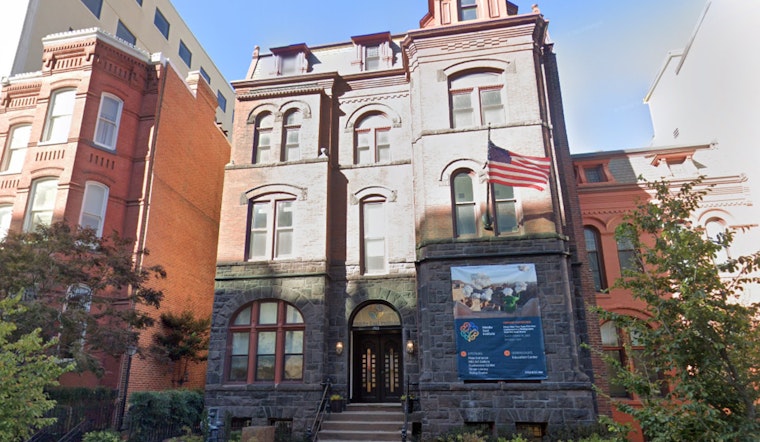
The Middle East Institute, a non-profit organization seated in the heart of Washington, D.C., has agreed to cough up a hefty sum of $718,558. This move comes as a settlement to accusations that the organization falsely claimed eligibility for a second-draw loan under the Paycheck Protection Program (PPP), part of the CARES Act's disaster relief initiatives.
According to a statement from U.S. Attorney Matthew M. Graves and Special Agent in Charge Amaleka McCall-Brathwaite, the CARES Act was originally designed to urgently provide financial support to American businesses and entities hit hard by the COVID-19 pandemic. Clearly laying out its guidelines, the Act specified that entities mainly involved in political or lobbying work, including think tanks, were not to dip their hands into this pot of funds. Yet it appears the Middle East Institute did so, even as they claimed otherwise in their application.
The institute initially received $359,279 through the second PPP loan and later obtained complete forgiveness for it. They declared and promised that they were not primarily engaged in political or lobbying activities, despite being publicly known as a think tank. Later, they argued that any misstatements made in the application were inadvertent. Whether intentional or not, the False Claims Act does not take half-truths lightly; violators may face a penalty three times the damages incurred by the U.S. government, along with additional civil charges for each false statement included in their applications.
To settle these allegations, which came to the surface thanks to a whistleblower complaint filed by the public interest group TZAC, the Middle East Institute chose to pay approximately twice the original loan sum. Assistant U.S. Attorney Darrell Valdez and Auditor Timothy Hurley, who led the investigation into the claims disputed by this settlement, worked together, according to the U.S. Attorney's Office for the District of Columbia. It's worth noting that none of the allegations have yet been adjudicated in court—the settlement was reached without a formal determination of liability.
With commendations given to Attorneys Gary Fox and Kandace Zeyala of the U.S. Small Business Administration Office of the General Counsel for their assistance during the process, this case, officially titled U.S. ex rel. TZAC v. The Middle East Institute, has left a significant impression of how closely the government scrutinizes the distribution of PPP funds. It underscores the importance of transparency in securing disaster relief loans.





-4.webp?w=160&h=400&fit=crop&crop=edges)