

























































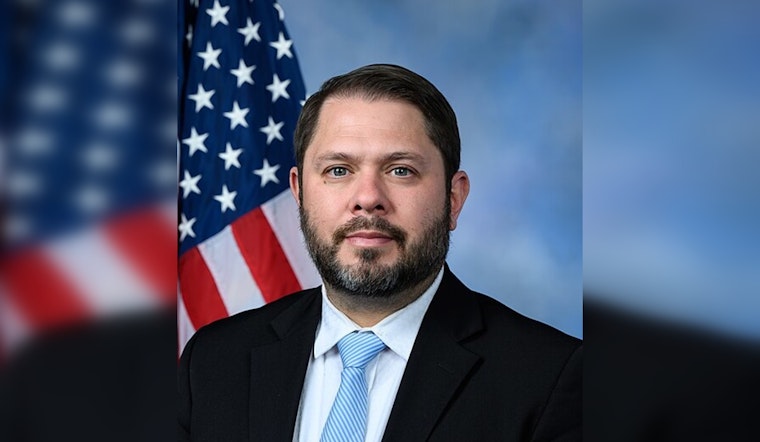
Arizona Representative Ruben Gallego stood firmly against H.R. 8281, legislation he argues would unjustly restrict voting rights for a multitude of his constituents. Detailing his opposition, the Congressman issued a statement highlighting the bill's potential to create significant voting barriers. “Of course only U.S. citizens should vote,” Rep. Gallego said. “But this bill isn’t about that, it’s about making it harder for Arizonans to vote, including married women, servicemembers, Native Arizonans, seniors, and people with disabilities. This extreme bill’s only purpose is to disenfranchise tens of thousands of Arizonans, and I will not vote to take away the rights of Arizonans to stop something that is already illegal,” as stated by the rubengallego.house.gov.
The bill in question, which Gallego contends aims to disenfranchise many, would require in-person photo ID presentation for federal election registration. Among those disproportionately affected would be servicemembers who, if stationed out of state or overseas, would have to go back home to take leave and register—an unnecessary and challenging demand. Married women could also face difficulties if their current last names do not match those on their birth certificates, as detailed by rubengallego.house.gov.
Gallego's condemnation of H.R. 8281 stems from his belief in the right to accessible voting for all eligible individuals. The bill's requirements could further complicate the process for recent college graduates, individuals who have recently relocated, and Native Arizonans. For those living on tribal lands hours away from the nearest election office, or for whom only a tribal ID is held, the barrier to registering is significantly raised. Gallego emphasizes that this legislation could unjustly exclude a substantial portion of the Arizona electorate.
Seniors and Arizona residents with disabilities, already faced with their own unique set of voting challenges, would also find themselves at a further disadvantage, being required to gather documentation and present themselves at election offices—tasks that might be prohibitively labor-intensive or physically impossible for some.





