

























































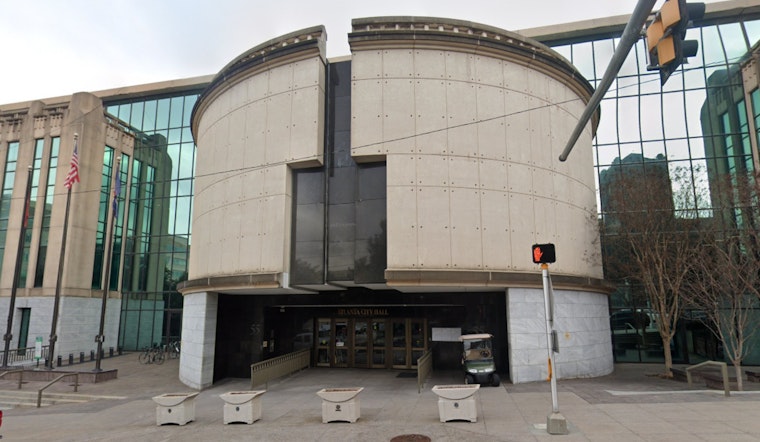
In a decisive push against the scourge of abandoned and dilapidated structures, Mayor Andre Dickens, in partnership with Councilmember Byron Amos, has unveiled plans for a new legislative measure designed to impose penalties on absentee landlords. Termed the 'Blight Tax', the bill targets the pervasive issue of property neglect that has left a stain on many of Atlanta's neighborhoods, fostering decay rather than development.
Approved by Georgia voters, the ordinance grants the City the authority to enact a tax hike on these derelict properties, penalizing landowners who let their holdings fall into disrepair. Designed to address the economic incentives of land speculation, the Blight Tax could increase the tax bill for designated properties up to 25 times the standard City tax rate. Announced yesterday, the legislation, however, excludes occupied properties to protect residents from being displaced, as stated on the City of Atlanta's website.
"This new policy will equip the City with a powerful tool for cracking down on corporate, absentee owners who treat property as a cheap investment vehicle rather than part of the fabric of our communities," Mayor Dickens stated, as he reflects on his administration's continued efforts to enhance living conditions in Atlanta and combat investor apathy, as noted by the City of Atlanta.
As an incentive to rid the city of these eyesores, once a property is rehabilitated, it becomes eligible for a reduced tax rate. Furthermore, for properties that wield a significant influence over their neighborhoods, owners are compelled, under the proposed law, to commit to a complete redevelopment plan that aligns with the community's broader aspirations around public amenities and infrastructure.
Councilmember Amos underscored the concerns of his constituents, recounting how "District 3 residents, who have for too long been subjected to neglected, blighted properties whose owners are content to wait to cash in," will benefit from this policy, according to the City of Atlanta's official announcement. The Blight Tax promises to wield influence, compelling property owners to either refurbish or relinquish their holdings to more responsible parties.
Mayor Dickens has been proactive since assuming office, launching a slew of initiatives, including Atlanta's inaugural Housing Help Center, creating a fund for legacy residents, and implementing an eviction diversion program aimed at aiding low-income families on the brink of displacement. His administration's latest move with the Blight Tax signifies a steadfast commitment to reshaping the city’s landscape and fostering neighborhoods primed for the future.




