

























































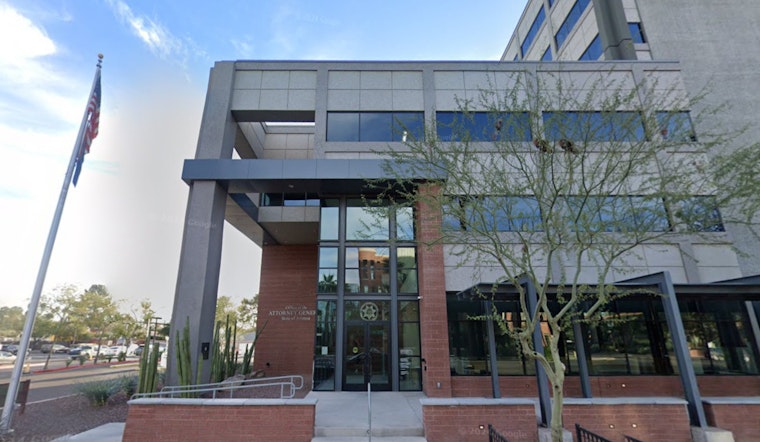
In a bold move to mitigate the impact of climate-induced disasters, Attorney General Kris Mayes has taken the lead, alongside 14 other attorneys general in urging FEMA to update its protocols. The coalition has formally petitioned the agency to account for extreme heat and wildfire smoke within its major disaster declarations under the Stafford Act. In a document revealed by the Arizona Attorney General's office, the group also seeks clarification on the eligibility of wildfire smoke events for Fire Management Assistance Grant (FMAG) funding.
"Extreme heat and wildfire smoke events are devastating because of their severe impact on public health and the environment, yet they are not currently recognized as major disasters by FEMA," declared Attorney Mayes. These events, increasing in both frequency and ferocity, due to climate change, bring forth a significant burden on health systems and pockets of local communities that are often lacking in adequate resources to combat such incidents. The letter to FEMA Administrator Deanne Criswell and Chief Counsel Adrian Sevier articulated these concerns, insisting on the need for federal assistance to effectively respond.
The coalition's letter illustrates the dire consequences of recent climate occurrences, mentioning the 2021 Pacific Northwest Heat Dome with its fatalities and power outages, and the riots of Canadian wildfire smoke suffusing the Midwest and East. This call for action highlighted the need for preventive measures and federal reinforcement to diminish the damages inflicted by these natural calamities. Following trends and expert analysis project an expected rise in the severity and frequency of these incidents, reinforcing the push for a more resilient and evolving federal response mechanism.
Additionally, the petition reveals stark statistics to underline the gravity of the issue. "In 2022, Arizona recorded 1,030 deaths related to or caused by heat statewide, as well as over 4,000 hospital or emergency room visits for heat-related illness," Mayes added. The coalition pinpoints a plethora of interventions needed, from more funding for low-income households to cope with utility bills, to the establishment of cooling shelters and safeguarding measures for workers. The petition clearly shows that these are preventable tragedies exacerbated by long-term droughts that escalate wildfire risks.
Furthermore, the attorneys general signify the importance of expanding the definition of what constitutes a "major disaster". Their intention is to have extreme heat, and wildfire smoke explicitly included. They also emphasize the important function FMAG funding could play in offsetting health impacts, such as by providing air filtration devices to protect vulnerable groups. The 14 attorneys general from states like California, New York, and Illinois, among others, have thrown their support behind Mayes, showcasing a united front on this environmental justice initiative.





