

























































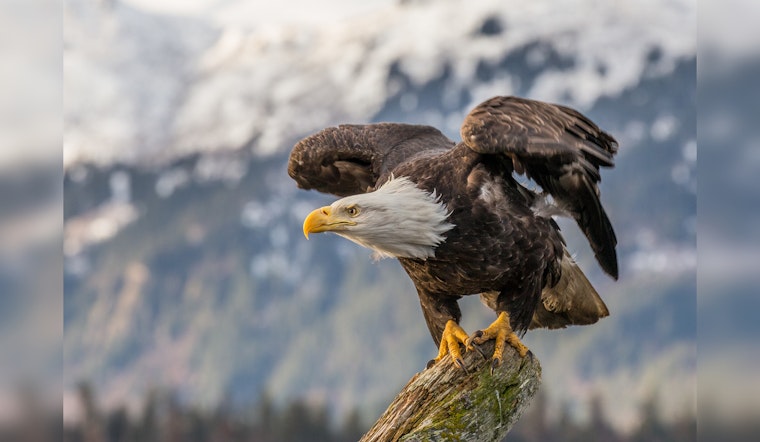
The skies of Georgia are witnessing a patriotic surge as bald eagle populations are reportedly making a significant comeback. According to a recent survey by the Georgia Department of Natural Resources, the state is experiencing higher-than-average nesting success rates for these iconic birds, particularly after a devastating blow dealt by avian influenza just two years prior. Bob Sargent, the survey leader, was quoted by the Georgia Recorder saying, "The findings were even better than last year’s good results."
With an observed drop of about 30% in successful nests on the coast in 2022, few could have predicted the resilience of these creatures, which fewer than half of their nests had produced an eaglet. Nonetheless, the subsequent year saw a strong rate of nesting, and today's number suggest this rebound is not an anomaly but possibly a sustainable trend. Flying through Georgia skies, helicopters recorded 145 nest territories this year, with 116 successfully fledging 178 eagles. Decimated by illness before, their return speaks to an ability to rise despite adversity.
Success rates varied across the state, with the average in North/Northwest Georgia sitting at 71%, while the coastal and Central and Northeast Georgia areas enjoyed an 82% success rate. The coast's 82% rate is up from last year's 73%, with the average fledgling count of 1.5 per nest. Bob Sargent noted these figures suggest the state has maintained more than 200 nest territories annually since 2015, indicating a continuous upward trajectory, albeit slower in recent years, as reported by the Georgia Recorder.
Despite these heartening numbers, Melanie Furr, director of education at Birds Georgia, reminds us that the life of young eagles is fragile, with most not surviving past their first year. Those that do, however, can live up to 40 years, building substantial nests over time. Returning to these nests each year, the eagles contribute to their ever-growing size. "They mate for life, and they’ll return to the same nest site year after year, and they'll refurbish and add to the nest each year. So the nest can grow to huge sizes, like six feet in diameter and up to two tons in weight," Furr told the Georgia Recorder. Fleets of fish are the preferred meals for these eagles, although their diet also includes other small critters, and they do not shy away from taking other birds' catches or scavenging.
As young eagles begin their journey towards independence, the neighborhoods may be filled with their vocal protests, indicative of avian family dynamics unfolding. Parents coax their progeny into hunting on their own, leading to squabbles that are audible to those nearby. Yet, despite the eagles' recovery, they still face threats, particularly from poisoning and habitat loss. "Poisoning is still a concern," Furr cautions. "They do hunt prey other than fish, and lead poisoning from bullets is a continuing problem with birds of prey, as well as rodenticides, any rodents that consume poison and then go out to die in the environment are a threat to eagles and hawks and owls and other wildlife. And of course, just habitat loss, climate change, all these things are affecting bird populations, including eagles." This ongoing story of resilience and the perils yet faced by the bald eagle population in Georgia is one to watch as conservation efforts continue.





.jpg)