

























































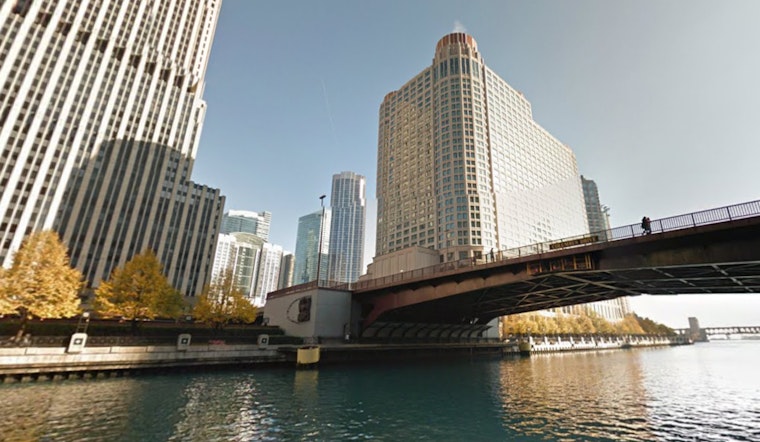
In a turn for the wetter, the City of Chicago has sunk plans for a historic Chicago River swim event, slated for September 22nd, to benefit ALS research after denying the necessary permits. The paddling setback was due to "safety concerns" regarding the proposed route and the concentration of swimmers, as mentioned by the city in a statement through spokesperson Erica Schroeder. With "significant safety concerns for participants, first responders, and the general public," the city put a damper on "A Long Swim," an event intended to be the river's first organized swim in almost a century.
As reported by NBC Chicago, the city proposed an alternate route that would adhere to local ordinances for such permits. However, details on the original and alternative routes have yet been to clarified. The event, which was planned by the group A Long Swim, stood to honor the river's cleanest recorded pollution levels and support youth swimming programs. About 500 swimmers were estimated to participate, while boldly showcasing our city’s growth and changing a few of its misperceptions, according to the group's website.
The swim would have tipped its hat to a once-regular occurrence on the river, starting back in 1908 and coming to a halt in the 1920s due to pollution. More than 100 safety personnel were expected to staff the swim, which was intended to bookend the waterway between the State Street bridge and Wolf Point, Block Club Chicago added to the story. Despite the initial rejection, Doug McConnell, founder of A Long Swim, expressed hope in addressing the city's concerns and flaunted the "strength of our comprehensive safety plan."
This regulatory hiccup comes after some downtown aldermen were allegedly bombarded with complaints from constituents, and shockingly, the event's announcement was made even before its official permit was secured. The aqueous initiative aimed not only to dip into ALS research funds at Northwestern University but also to push the envelope for youth swimming programs. Even amid improvements in the river’s ecosystem – a point of pride involving the efforts since the Clean Water Act of 1972 – the city holds steady at tracking and curtailing "the main pollution points," bringing the river's once-sullied reputation full circle. Organizers planned to use real-time data from the city's Metropolitan Water Reclamation District to ensure water quality leading up to the swim – a measure which, apparently, didn't hold water with the powers that be.





