

























































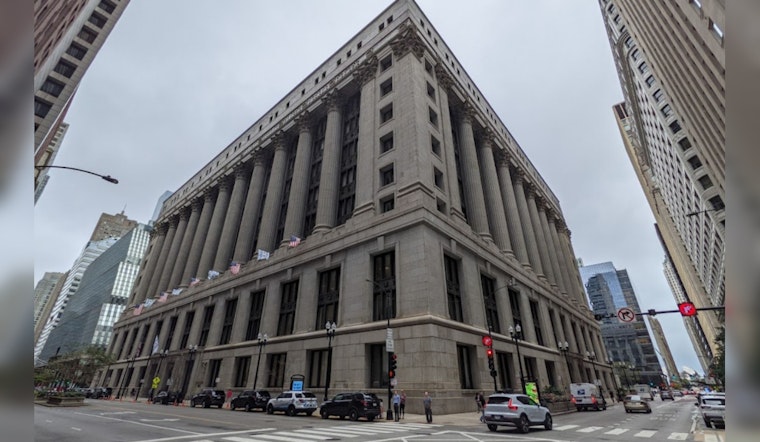
The pension crisis in Chicago is escalating with the city's unfunded pension liability now reaching $37.2 billion, up from $35.4 billion the previous year, signaling a protracted struggle ahead for municipal finances. The increase, a 5.2% hike, is largely due to legislative adjustments and changes in the pension assumptions, as detailed in the annual financial report by Deloitte & Touche, highlighted in an article from the Chicago Sun-Times. Amid these fiscal tremors, Mayor Brandon Johnson's pension commission, convening for over a year, has yet to release any long-term solutions to the deepening predicament.
Mayor Johnson followed his predecessor's footsteps by allocating an extra $306.6 million in a "pension advance" to slightly buffer up the city's pension responsibilities. Nevertheless, this has failed to significantly slow down the drive towards a looming fiscal cliff – a topic that the Civic Federation President Joe Ferguson urged needs to be addressed with "hard conversations." According to a Chicago Sun-Times interview, Ferguson emphasized, "There’s no more time to ... put this off. The hard conversations need to be had now."
While Johnson has vowed not to raise property taxes, the city’s pension funds continue to teeter dangerously with the police pensions at 21.8% funded, firefighters at 21.6%, and municipal workers at 22.2%. The hike in the city's pension debt similarly reflects the removal of birth date restrictions on the annual cost of living adjustments for Tier 1 police pensioners—a state law change which alone added a substantial $1.06 billion to the city's financial burdens, as reported by the Chicago Tribune.
The city has looked towards additional revenue sources such as a casino to help stabilize the police and fire pension funds. Yet, the performance of the Bally’s temporary casino has fallen significantly short of expectations, raising only $5.5 million in local tax revenues from January through May of the current year against a budgeted $40 million for the entirety of 2024. "I wish it had performed at least at a percentage of what was projected," Ald. Michael Rodriguez confessed to the Chicago Tribune. The fiscal shortfalls only inflame the urgency for Johnson's commission to quickly, identify sustainable and scalable funding options that may lie beyond the unreliability of gambling revenue streams.
Meanwhile, Chicago CFO Jill Jaworski and other city leaders are engaging in internal discussions to find efficiencies and secure funding for the regular city budget and pensions. "It’s a very large portion of the city’s budget, and every dollar that we have to put towards the pension funds that is paying off legacy obligations is a dollar that we can’t spend on other priorities today," Jaworski told the Chicago Tribune. Jaworski expects unfunded pension liabilities will remain "relatively flat" in future years before they begin to decline.
Amidst these challenges, the labor groups, including the local rank-and-file police officer union, firefighter union, and Chicago Federation of Labor, remain tight-lipped regarding their contributions to tackling the ballooning pension debt, with none responding to questions about the task force’s efforts. The city's governance is thus left grappling with a financial albatross, seeking measures to fulfill its obligations without further straining its residents and the shrinking fabric of city services.





