

























































The narrative surrounding President Biden's supposed ban on gas cars has been greatly misconstrued. According to GPB News, there is no such ban enacted by his administration. Instead, what's occurring is an advertising blitz by fossil fuel industry groups and echoes from former President Donald Trump, propagating the idea that such a ban is in place. This campaign is focusing on voters in pivot states like Michigan, Nevada, and Pennsylvania, despite the Biden administration having only implemented new regulations aimed at improving fuel economy—regulations that are, in fact, being pointedly mischaracterized as a comprehensive prohibition on gas-powered vehicles.
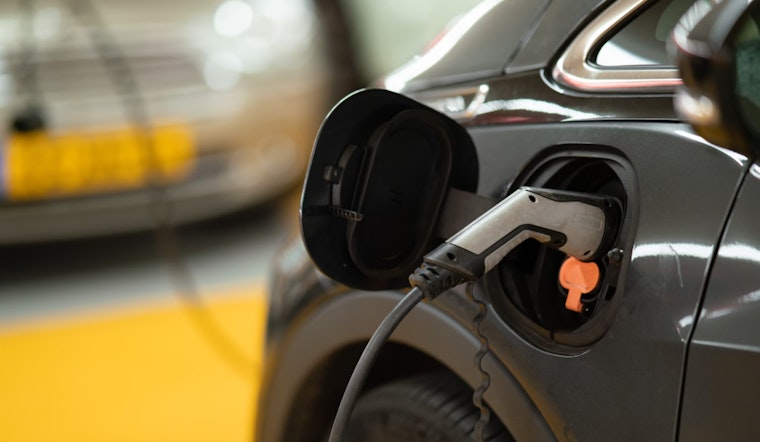
In reality, the Biden EPA has moved to set more stringent emissions standards, aiming to significantly decrease pollution from passenger vehicles—an act that will naturally lead automakers to gradually phase out combustion engines in favor of electric vehicles by 2032. However, it is crucial to remember to never fully take at face value what is presented in political ads. Misinformation like the narrative being spun regarding a full-fledged gas car ban threatens to lead voters astray, fueling confusion where clarity is paramount, especially during an election year.
Some stakeholders have deliberately misrepresented the situation. The American Fuel and Petrochemical Manufacturers (AFPM), which counts ExxonMobil, Chevron, and Phillips 66 among its members, has committed to multimillion-dollar ad campaigns in pivotal swing states. One ad, for example, showed a narrator claiming that "President Biden is banning most new gas cars," as reported by GPB News. This is despite the EPA's clarifications and the reality of the regulations, which do not impose a blanket ban on the sale or private ownership of gasoline-powered cars.
Conversely, the move toward electric vehicles (EVs) is not universally opposed. Automakers themselves have been adapting to shifts in both the global and domestic markets, with EVs becoming a more common sight on the roads. Consequently, the transition from gas-only engines to hybrid or fully electric models seems an inevitable adaptation to a changing consumer landscape. As S&P Global Mobility's associate director Stephanie Brinley put it, "It's far beyond the political parties." Her words suggest that market forces, rather than direct political intervention, have become a persuasive factor in the evolution of automobile production.
Moreover, misinformation campaigns tend to also gloss over the steps being taken to ensure a smooth transition for workers. Organizations like the United Auto Workers (UAW) are advocating for what they call a "just transition," assuring jobs in new EV-parts manufacturing for traditional automotive workers, as mentioned in GPB News. This kind of forward-thinking approach looks to reconcile environmental progress with economic stability, underscoring the nuanced reality that contrasts sharply with the simplicity of a supposed "gas car ban."
As the electoral stage heats up, voters are advised to closely scrutinize the messages being disseminated. Grassroots initiatives and education campaigns seek to counter the spread of misinformation, according to groups like Climate Power. "Clean energy jobs and the ability to choose the vehicle you want to drive and the ability to power your home in the way you want to do it is going to be absolutely an important part of this campaign and this election," stated Alex Witt, senior advisor for oil and gas at Climate Power, as noted by GPB News. In the end, the truth remains that no ban on gas cars has been decreed by President Biden, and the narrative spun is largely linked to a misinformation campaign.





