

























































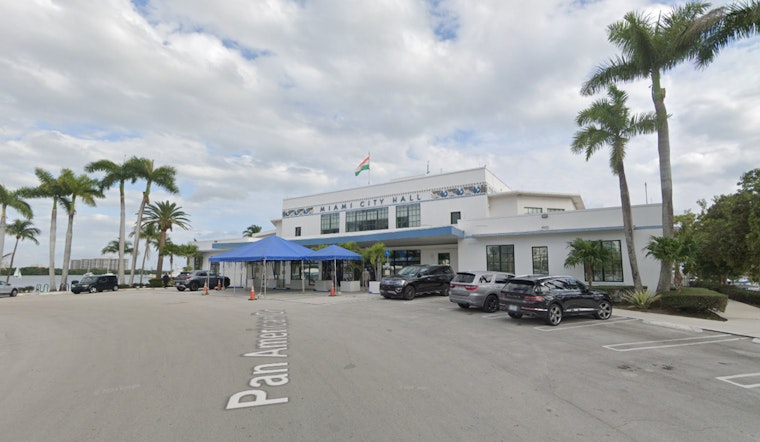
After a substantial legal battle, a federal court sealed the destiny of the City of Miami's voting districts, siding with activists fighting against racial gerrymandering. Judge K. Michael Moore gave his nod to a settlement crafted by the City and plaintiff groups, inaugurating what promises to be a new chapter of representation equity in Miami. The approved map, known as "P5," is poised to unite diverse neighborhoods that had previously been sliced down racial lines, as reported by NBC Miami.
The settlement, struck yesterday, hinges on the city adopting a map shaped by the plaintiffs, which will merge historically segregated communities such as Coconut Grove, Overtown, Allapattah, and Edgewater. According to court findings that guided the settlement, the previous maps had breached constitutional lines, undermining not only the geography but the voices of these districts. Nicholas Warren, ACLU of Florida's staff attorney, hailed the settlement, stating to ACLU, "This victory is a testament to the resilience and power of community voices united in the pursuit of equity."
Origins of this legal confrontation trace back to accusations against the Miami City Commission of designing district maps that diluted minority voting strength. Engagement from community members and organizations, including groups like GRACE Inc. and the local NAACP, propelled the lawsuit to its eventual and conclusive resolution. "Today’s settlement is a monumental victory for the people of Miami and a resounding affirmation of the principles of fairness and equality," expressed Bacardi Jackson, the ACLU of Florida's executive director, emphasizing this as a win for the community's will.
Integral to the legal victory, the ruling sets a foundational precedent for future redistricting, prescribing a charter amendment that aims to forever change the makeup of power. This amendment not only places an absolute ban on gerrymandering practices but also calls for the establishment of a Citizens’ Redistricting Committee, tasked to meticulously craft and propose fair voting maps to the Commission. The amendment anticipates its date with voters on the November 2025 ballot, as stated by NBC Miami.
With the court's backing, Miami stands at a momentous threshold, prepared to dismantle the legacy of racially motivated gerrymandering. It serves not only as a reprieve from past transgressions but also as a beacon for the integrity of future electoral processes. The settlement, in its essence, vows to reshape the communal-political landscape of Miami, ensuring that the city's voting districts mirror the true diversity and collective aspiration of its inhabitants.





