

























































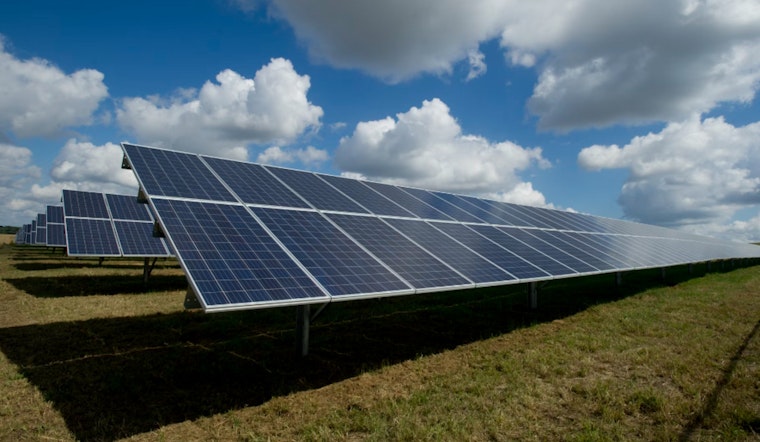
Georgia has positioned itself as a leader in solar power within the South, according to a new report by the Southern Alliance for Clean Energy. The "Solar in the Southeast" report places Georgia Power as fourth out of 14 major regional electricity providers when it comes to solar electricity produced per customer, also known as W/C, a measurement that reflects both environmental commitment and industry foresight. This places the state just behind Florida, a known solar giant in the region, as noted by GPB News.
Despite these accomplishments, the rapid expansion of data centers in the state presents a double-edged sword. While they are a boon to technological advancement and economic growth, their insatiable power demands could hamper solar growth, as seen in an emergency update to Georgia Power's generation mix earlier this year. These centers require an immense amount of energy, leading utilities to sometimes favor carbon-emitting natural gas for its immediate availability and scalability to meet rapid demand increases.
However, the SACE report holds optimism about the future, projecting that Georgia's solar generation could double by 2025. Major undertakings, such as NextEra Energy's 260-megawatt project in Wadley, and impending projects from Georgia Power's next Integrated Resource Plan, bolster this positive outlook. According to the report, the expected growth indicates an assertive move towards solar, though Georgia Power's solar capacity is anticipated to be about half of the nuclear-generated energy from Plant Vogtle by 2025.
As the state balances immediate energy needs with long-term sustainability goals, these developments signal a dynamic shift in how Georgia interacts with the sun's bounty. The reliance on solar power is not just an environmental stance but an essential strategy for meeting the state's growing power needs. Nevertheless, the energy landscape continues to evolve, often in unpredictable waves, as stakeholders weigh the merits of renewable sources against the pressing energy demands of a rapidly modernizing society. For more details on the SACE report findings, visit GPB.org.





