

























































Attempts by residents of the Gullah-Geechee community in McIntosh County, Georgia, to hold a referendum against zoning changes have met a roadblock. Local authorities assert that zoning decisions are beyond the reach of voter-led referenda. Ken Jarrard, representing McIntosh County commissioners, has expressed in strong terms that Georgia’s state constitution exempts zoning decisions from such challenges. In a recent letter to Judge Harold Webster of the McIntosh County Probate Court, Jarrard stated, "the Referendum Clause process may not be used to overcome it," according to a report by WABE.
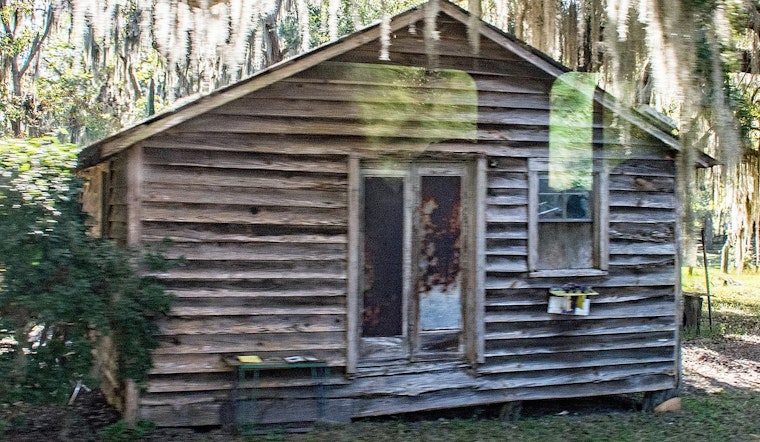
Last fall, the rezoning in question altered constraints that had long shielded the Hogg Hummock community on Sapelo Island, a place with about 30 to 50 Black residents living modestly as part of one of the South’s last Gullah-Geechee communities—descendants of slaves who have preserved much of their African heritage. Hogg Hummock, also known as Hog Hammock, is located approximately 60 miles south of Savannah and was established by formerly enslaved people. This move by the commissioners provoked Hogg Hummock residents and their supporters to file a petition on July 9, 2024, with over 2,300 signatures—organizers say that’s hundreds more than necessary to put the rezoning issue before county voters.
The authority to zone is seen as exclusively granted to counties under Georgia’s constitution. Thus, although a previous Georgia Supreme Court ruling in 2022 upheld a voter referendum blocking a spaceport in coastal Camden County, Jarrard insists that zoning matters should be treated distinctly. However, Dana Braun, an attorney for the petition organizers, has pushed back, stating that the opposing legal stance lacks merit. "We do not believe that McIntosh County has the right to interject itself into this proceeding whether it be by a formal pleading or disguised as a letter to the Probate Judge," Braun said in an email reported by WABE. Georgia law allows 60 days for a probate judge to approve a petition for it to prompt a special election, meaning the soonest the issue could come before voters would be in the fall of this year.
The September zoning changes that doubled the permissible house sizes in Hogg Hummock have elicited concerns among residents over potential property tax hikes, which they fear could coercively displanting them from land held by their families for generations. County officials have defended the changes, citing family accommodation needs and enforcement challenges with the previous size limit. Simultaneously, there is ongoing litigation where Hogg Hummock landowners are challenging the rezoning in court, aiming to protect their heritage and homes. After an initial dismissal on technical grounds, their lawsuit has been revised and refiled for consideration.





