

























































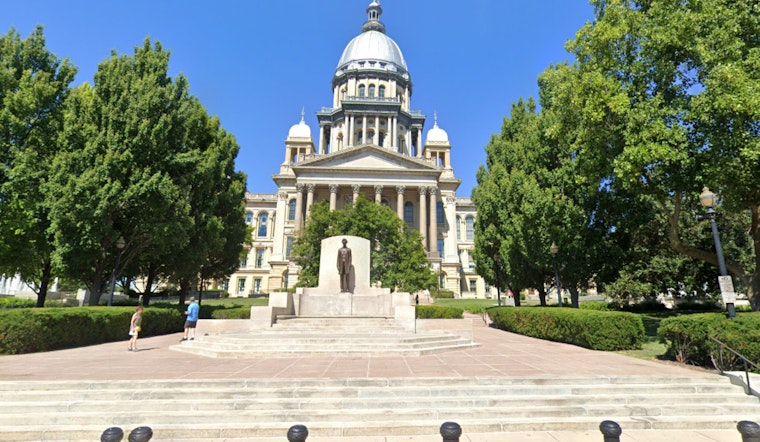
In a recent hearing in front of the Illinois General Assembly's Health Care Availability and Accessibility Committee, the Acting Director of the Illinois Department of Insurance (IDOI), Ann Gillespie, leveled serious concerns about the operations of Pharmacy Benefit Managers (PBMs) and their influence on drug costs for Illinois residents. Gillespie, along with other industry experts, testified about the findings of a Federal Trade Commission (FTC) interim report on PBMs which has raised questions about competitive practices in the pharmaceutical industry, reported the State of Illinois's official website.
During her testimony, Gillespie highlighted the growing market power of the top PBMs, stating that "These massive conglomerates play a part in nearly every aspect of the health care delivery system." She cited an alarming increase in their share of national healthcare expenditures, which surged from 14 percent in 2016 to 22 percent by 2023. Gillespie's critique extended to how PBMs are allegedly inflating drug costs and the implications of potential antitrust issues.
One of the FTC report's key findings was the arbitrary classification of specialty drugs by various PBMs, a practice leading to significant variability and issues within the market. Gillespie articulated a worry that these classifications could steer prescriptions away from independent pharmacies and toward PBM-affiliated specialty pharmacies. Effectively, these practices could limit consumer access to necessary prescription drugs and benefit PBMs financially by reimbursing their pharmacies well above the National Average Drug Acquisition Cost (NADAC), the IDOI's press release detailed.
Addressing the misuse of premium dollars under the Medical Loss Ratio (MLR) standards, Gillespie emphasized the importance of enforcement, "I want to make it very clear that we intend to enforce compliance with the letter and spirit of the MLR standard and will not tolerate consumers receiving less than the value of the benefits they pay for under the law." These firm statements were echoed in the committee hearing and reinforced the state department's resolve to address these discrepancies.
The state's insurance regulatory agency, IDOI, is tasked with ensuring the fair treatment of consumers in the market. The revelations of the FTC report have reinforced existing concerns about PBMs. Gillespie's testimony, along with other expert insights, underscores efforts to promote drug pricing transparency and scrutinize PBMs' increasing control over prescription drug affordability and access. Illinois follows the lead of Florida, Iowa, and West Virginia, who have already implemented measures to curtail the dominance of PBMs and protect independent pharmacies and consumers alike.
In the May testimonies in Springfield, diverse stakeholders from the pharmaceutical industry, including representatives from the Illinois Pharmacists Association and the Pharmaceutical Care Management Association, laid out their perspectives. With verbatim quotes from officials and executives, this conjoint effort to address healthcare affordability paints a complex picture of the interdependencies and control mechanisms in the pharmaceutical industry.




