

























































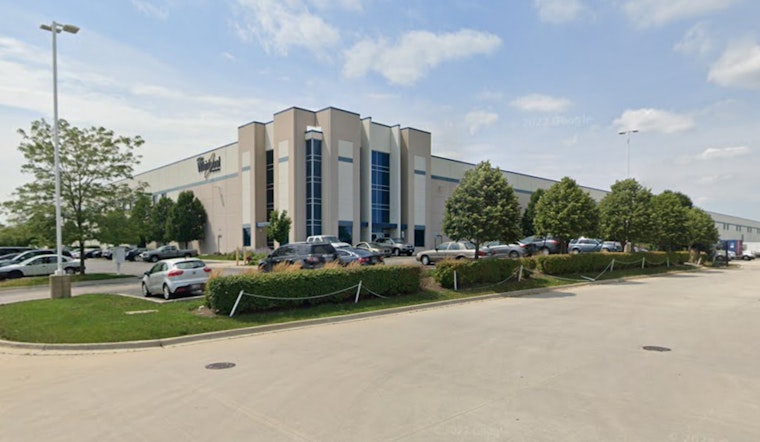
Amid optimism and political fanfare, the Lion Electric Plant in Joliet is now operational, an electric vehicle manufacturing facility that at full capacity promises to deliver up to 20,000 electric buses and trucks annually and create 1,400 jobs in the region, according to a report by WGN-TV. It marks the first vehicle assembly plant opening in the Chicago area in over half a century, with Gov. JB Pritzker celebrating it as "home to the largest all-electric manufacturing plant of buses and commercial vehicles of this size in the entire United States."
However, the Lion Electric Co.'s Joliet location appears to be grappling with underutilization and a delay in government subsidies, both US and Canadian, that could be detrimental to its operations and the larger pursuit of environmental progress, a recent article from Chicago Tribune informed the public; despite the high expectations and political commendations, the plant's parking lot was notably sparse on a typical weekday, and the company is operating well below the 200 buses per month capacity they have previously touted.
Nate Baguio, Lion Electric’s Senior VP for Commercial Development, noted in a statement obtained by the Chicago Tribune that "It’s not an issue of our capabilities and it’s not an issue of demand... It’s just that the speed at which these programs move is the limiting factor," referencing a slowdown attributed to the complicated deployment of subsidy programs. This contraction in output comes amid concerns about the long-term viability of green initiatives, given the political landscapes of Washington and Ottawa.
While the future of electric buses seems essential in the fight against pollution and climate change, the practical challenges of subsidy rollouts are creating vulnerabilities for companies like Lion Electric; as the Chicago Tribune further details, the complex approval processes have led to a slow trickle of buses from a funding pot big enough for considerably more, and with transportation being a major contributor to Illinois' greenhouse gas emissions, the delay in transitions to cleaner fuels bears not only environmental but also health implications, as reiterated by researchers from Harvard University highlighting the savings electric buses could provide by mitigating asthma and other health risks.




