

























































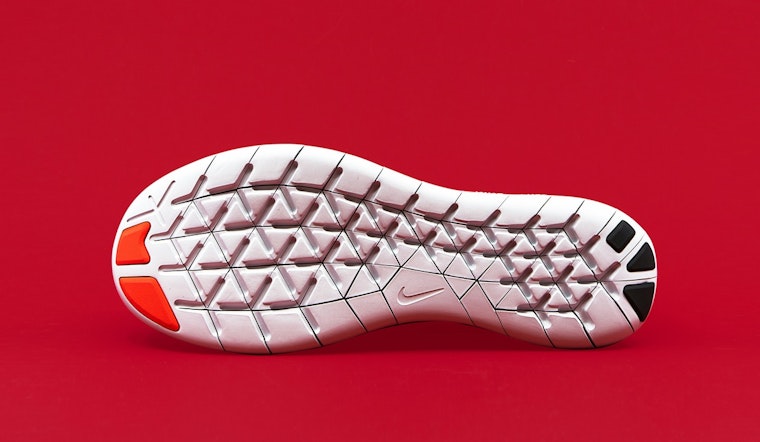
The summer Olympic Games in Paris 2024 may see athletes perform better than ever, courtesy of a technological advancement from MIT's startup ecosystem. Striv, a startup born out of MIT’s START.nano accelerator program, has developed an innovative shoe sole that tracks biomechanical data which can optimize athletes' strides, as detailed in MIT News. This new tool has gained traction among professional runners gearing up for the international competition.
Striv's technology involves a tactile sensing device placed within shoe inserts that records force, movement, and form. It has gained attention for its potential to revolutionize training methods and prevent injuries among elite athletes. Olympians like Clayton Young from the USA and Jamaican Damar Forbes have utilized the device, alongside former Olympic marathoner Jake Riley, who after testing it, said, “I’m excited about the potential of Striv’s technology." He continued, as reported in an MIT News interview, "It’s on a good path to revolutionize how we train and prevent injuries."
The product's journey began with Striv's founder, Axl Chen, who, while working in a robotics lab at Tsinghua University, started experimenting with tactile sensors. His goal was to make them more flexible and cost-effective. Fast forward, and the technology has not only broken ground in sports but sparked interest in fields such as medical, robotics, and automotive. Membership in MIT’s programs like Venture Mentoring Service (VMS) and the MIT Industrial Liaison Program’s Startup Exchange, has helped Striv focus on the athletic market.
But the reach of Striv's technology extends beyond the elites of the track, field, or marathon courses. “We also want to bring this to serious runners that aren't professional,” Chen told MIT News, realizing the potential for everyday athletes to benefit from the same analytical insights. Striv has tested the technology with about 50 professional athletes thus far and is aiming to provide similar support and coaching for runners of all calibers after showcasing its merits at the upcoming Paris Olympics.
With a base in comprehensive research and a growing pool of data from both professional and amateur runners, Striv anticipates a future where personalized improvement plans and injury prevention strategies could be accessible to athletes across a spectrum of sports. As Chen envisions, the same principles that are set to assist Olympians could soon be a part of training regimes for sports enthusiasts at large, from golfers to cyclists and beyond.





