

























































Navajo Nation President Buu Nygren and Hopi Tribe Vice Chairman Craig Andrews visited Washington D.C. to appeal to the U.S. House Natural Resources Committee. They were advocating for legislation that would address long-standing water deficiencies within their communities. "Thousands of our people continue to haul water over 30 miles roundtrip to meet daily water demands," Nygren told the committee, underlining the urgency of approving the proposed bill, as reported by AZPM.
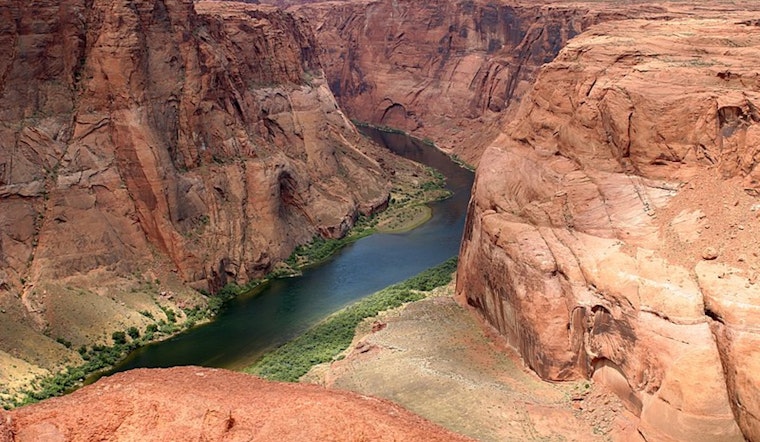
The discussed legislation, the Northeastern Arizona Indian Water Rights Settlement Act of 2024, carries bipartisan support and promises significant improvements to the tribes' access to water. Spearheaded by Republican Congressman Juan Ciscomani and backed by lawmakers such as Democratic Congressman Raul Grijalva and Republican Congressman David Schweikert, the act plans the construction of an extensive pipeline project. This $1.75 billion undertaking aims to divert the water from the Colorado River directly into the parched lands of these communities. A key point made by proponents, such as Nygren, indicates a belief that the settlement will forge economic benefits that extend beyond the Navajo Nation to bolster the entire state of Arizona.
Addressing the historical exclusion of the tribes from Colorado River water rights, this legislative push signifies a rectification for an oversight rooted deep in the past. More than a century has lapsed since the Colorado River Compact was enacted without the tribes' input or benefit. As AZPM notes, the proposed settlement is a result of extended negotiation between the governments involved.
The package also includes provisions for the Hopi Tribe and the Navajos to manage their water sustainably through leasing, exchanging, and accruing long-term storage credits. Moreover, it would ratify a separate agreement that establishes a reservation for the San Juan Southern Paiute Tribe, as remarked by Nygren. The San Juan Southern Paiute are notably the only federally recognized tribe in Arizona without their own designated land. The Senate has also been approached with a version of the bill introduced by Democratic Senator Mark Kelly and Independent Senator Kyrsten Sinema earlier in the month, reflecting a unified front across political divisions and legislative houses.





