

























































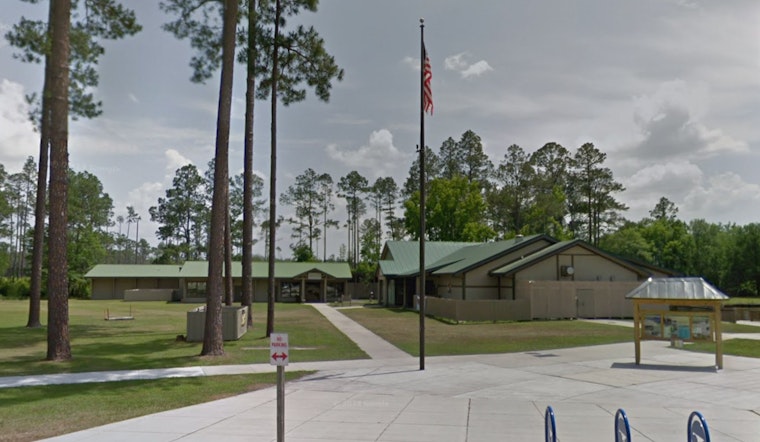
As federal agencies scramble to assert their water rights, Twin Pines Minerals, LLC's proposed titanium dioxide mine poses a potential threat to the health of the Okefenokee Swamp, a cherished natural haven and a candidate for UNESCO World Heritage status. The Georgia Environmental Protection Division (EPD) has issued draft permits for the mine, which, if approved, would mark a significant shift in the state’s management of wetland projects without federal oversight—a change made possible by recent rollbacks of federal water protections and a critical U.S. Supreme Court decision.
Matt Rouse, who navigates the swamp’s canals, welcomes diverse tourists to what he refers to as "the largest completely freshwater swamp in North America." Yet, the swamp that borders Florida and Georgia is highly drought-prone; its ecosystem remains balanced but fragile, potentially jeopardizing the over 400,000-acre refuge that is home to a vast array of biodiversity. Twin Pines claims their scientific models show no risk to the swamp, a stance supported by Georgia's findings, according to an interview with a company spokesperson.
However, Michael Lusk, manager of the Okefenokee National Wildlife Refuge, expressed serious concerns that the state has not fully addressed. National Parks Service hydrologists have provided a counter-analysis revealing "critical shortcomings" in the mining company's model, as stated in an interview obtained by WABE. The U.S. Fish and Wildlife Service, finding itself with diminished regulatory power, is now banking on a novel approach in the eastern United States: invoking federal reserved water rights to protect the swamp. These rights, typically exercised in the arid western states, may soon become a crucial tool in the conservationist arsenal given the rising conflicts over water resources.
Despite opposition, and the record public commentary to the EPD—with over 70,000 comments received—the state appears to be pressing ahead. Lawsuits and protest songs have punctuated the civil discourse, even drawing social media support from celebrities like Leonardo DiCaprio. Ryan Rowberry, a Georgia State University law professor, explained the significance of federal reserved water rights, noting that their use could have broad implications for federal lands in the eastern U.S. Even as Twin Pines' legal representative Lewis Jones dismisses Fish and Wildlife's legal position as "a publicity stunt," opposition remains steadfast in its belief that such federal water claims are not just possible, but necessary for the Okefenokee's survival, according to further details provided by WABE.





