

























































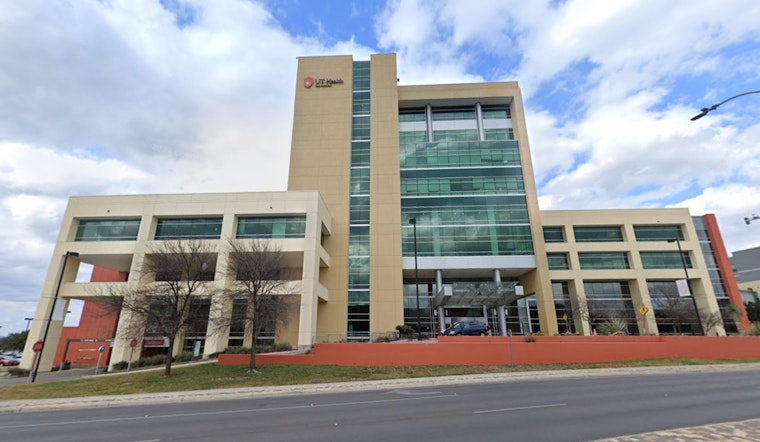
As San Antonio confronts a surge in COVID-19 cases, the city faces a conundrum — reduced data and no longer a real-time health response dashboard. Confirmed cases in Bexar County are on the increase, but as of March, COVID-19 is no longer a Texas Notifiable Condition. According to a report by the San Antonio Report, this means healthcare providers are not mandated to inform the Metropolitan Health District of new cases.
Despite these reporting changes, certain pockets of infection, like clusters in schools or nursing homes, are still to be reported. "If the classroom has 10 kids and 5 or 6 of them are sick, that would be considered a cluster," Miguel Cervantes, public health administrator for communicable disease, told the San Antonio Report. Additionally, University Health is continuing to track COVID-19 cases through its clinics and urgent care centers, actively monitoring involvement with new variants.
In just one week, from June 24 to July 1, confirmed cases jumped from 108 to 163, as per data from University Health. Dr. Jason Bowling, an infectious disease specialist, highlighted the national trend of increasing COVID-19-related emergency room visits and hospitalizations in a statement obtained by the San Antonio Report. "It probably means there are a lot more cases in the community for people that are not presenting to health care for a diagnosis," he said.
Meanwhile, the threat of new variants looms, with the KP.3 and KP.2 strains — dubbed the "FLiRT variants" — driving recent infections. Dr. Bowling stressed the communicable nature of these strains in public spaces but noted that there hasn't been a spike in the severity of infections. Still, the variants are causing concerns due to partially evolved immunity within the population, posing a clear reminder that the pandemic persists amidst our adaptations.
As measures continue to shift, health officials advocate for proactive steps. "If somebody has symptoms right now consistent with COVID, they very well may have COVID," Dr. Bowling emphasized in a San Antonio Report interview, urging the public to get vaccinated, wear masks when ill, and stay home if symptomatic. This fall, an updated vaccine targeting the new variants will be offered — a crucial intervention given the ceasing of free vaccines under the Bridge Access Program come August.
Compounding the urgency is the risk of long COVID, with UT Health San San Antonio's clinic spotlighting ongoing treatment trials. Dr. Monica Verduzco-Gutierrez conveyed the clinic's focus on long-hauler syndromes, an often debilitating outcome of the initial infection. The reality of long COVID remains a severe and compelling reason to maintain vigilance against the virus, especially for those at risk of chronic illnesses, as she told the San Antonio Report. "There’s a lot of patients who don’t just get better and don’t just get over it, so that’s why it’s still important to keep COVID infections serious, really try to prevent it, be cautious, mask, and get treated." With this advice in mind, San Antonio navigates an evolving public health landscape where vigilance against COVID-19 remains key.


